
Rio de Janeiro Safety Tips for Tourists
Rio de Janeiro is a place for big views, long walks, beach hours, and landmark days that often run on a tight schedule. A good safety plan keeps those moments enjoyable without turning the trip into a military operation. Carry less, keep your plans simple, know how you will get back, and build a few backups into every day. The goal is to move through Rio with attention, confidence, and room for spontaneity.
Start with a realistic safety mindset
- Treat documents, payment cards, and your phone as separate essentials, not one bundle.
- Carry only what you expect to use that day and leave backup items securely stored.
- Plan the return journey before a dinner, concert, tour, or sunset stop begins.
- Use the metro where it fits your route, but check transfers, walking distances, and final departures.
- Keep a charged phone, offline copies of key details, and a backup way to pay.
- If something goes wrong, prioritize getting to a staffed, populated place over recovering property.
For context, the U.S. State Department lists Brazil at Level 2, “Exercise Increased Caution,” and flags crime and kidnapping or hostage-taking risks. That is Brazil-wide guidance, rather than a map of Rio neighborhoods. Use it as a reason to prepare thoughtfully: stay alert to your surroundings, avoid carrying unnecessary valuables, and make a clear plan for each day’s movements.
Prepare a low-stress travel kit before leaving your accommodation
The safest daily setup is also the easiest to manage. Before you step out, decide what you genuinely need for the next several hours. Keep your main passport, backup bank card, extra cash, and nonessential valuables separate from the small bag or pocket you will use around the city. That way, one misplaced item does not unravel the day or the rest of the trip.
Make essential information easy to reach
Save your accommodation address, booking details, flight information, travel-insurance information, and important contacts in more than one place. A protected phone note is useful, but so is a second copy that does not depend on your battery or data connection. Tell a travel companion where you are heading if you split up, and agree on a simple place and time to reconnect if plans drift apart.
- Use a screen lock and enable device-tracking features before the trip.
- Keep a backup payment method apart from your everyday wallet.
- Bring a compact power bank and charging cable for full sightseeing days.
- Download maps and essential reservations for offline access where possible.
- Photograph the details of valuable belongings for insurance records.
- Review your insurance support process before departure, not during a disruption.
Avoid making your phone the center of every decision while walking. Check directions before leaving a hotel, café, museum, or restaurant, then put the device away until you need it again. If you need to reroute or contact someone, pause in a staffed venue or another comfortable stopping point rather than trying to solve every problem in motion.
Use payment methods that give you a backup
A mix of payment options is more resilient than relying on a single card or a large amount of cash. Keep a small amount of spending money handy and store reserve funds separately. When paying, take a moment to confirm the amount before approving it, then return cards and receipts to the same secure place every time. A repeatable routine reduces rushed fumbling at counters and transit gates.
For MetrôRio, visitors can use compatible contactless Visa, Mastercard, or Elo cards and devices at station gates. Single QR-code tickets are available through RecargaPay and authorized outlets, while Giro and other accepted transit cards provide other payment options. Keep in mind that the payment method suitable for a regular metro ride is not always the right one for a discounted integrated journey.

Full Day in Rio: Christ by Train, Sugarloaf, Selarón & Barbecue
Discover the best of Rio de Janeiro in a single day! Begin with a scenic train ride up Corcovado Mountain to visit C...

Rio Shore Excursion: Christ Redeemer, Sugarloaf and Selarón Steps 6-Hour Tour
Be worry free and still get to see three of Rio’s best landmarks on this Half-day shore excursion packed with brea...
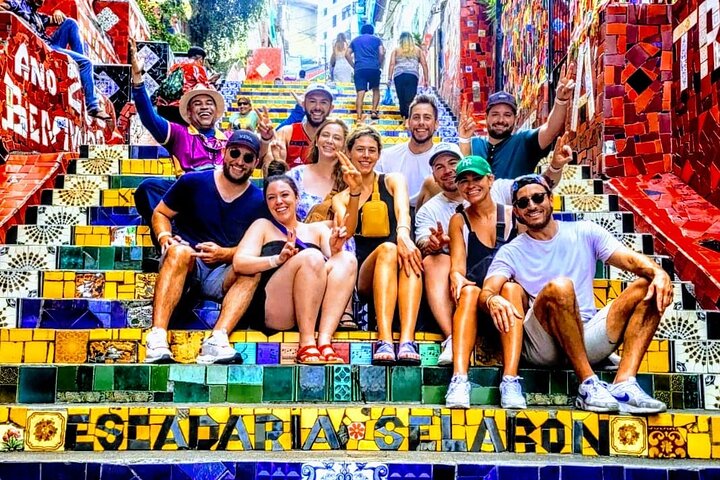
Private Custom Full-Day Highlights in Rio: Only the Best Sights!
Enjoy the most complete private day tour in Rio de Janeiro with flexible itineraries built just for you. Visit iconi...
Choose a practical base and simplify each day’s route
Location helps, but simplicity matters just as much. Choose accommodation that makes your likely sightseeing, dining, and evening plans straightforward to reach and straightforward to leave. At check-in, confirm the full address, save it in your phone, and note a recognizable nearby point that can help you orient yourself. A Rio de Janeiro Neighborhoods Guide is useful for comparing possible bases before booking, but your own itinerary should drive the final choice.
Try not to pack every day with distant stops in different directions. Group nearby plans, leave time for a meal or weather delay, and decide which attraction is optional if the day runs late. A schedule with breathing room makes it easier to change course without rushing, looking lost, or making a stressful transport decision after dark.
Use public transport with a return plan
Rio’s metro is useful on selected corridors, not as a complete door-to-door solution for every hotel and attraction. Lines 1 and 4 link Uruguai in Tijuca with Jardim Oceânico in Barra da Tijuca, while Line 2 runs between Pavuna and Botafogo. MetrôRio also connects with BRT at Vicente de Carvalho and Jardim Oceânico, VLT at Central, Carioca, and Cinelândia, and ferries via a walk from Carioca to Praça XV.

Use a Rio de Janeiro Itinerary Without a Car as a companion for broad route planning, then check the exact station access and transfer needed for your day. The useful question is not simply whether a metro line exists nearby. It is whether the walk at both ends, the transfer, the payment method, and your return timing work comfortably for your group.
Know the metro timetable before an evening out
MetrôRio normally runs Lines 1, 2, and 4 from 5:00 a.m. to midnight Monday through Saturday. On Sundays and holidays, normal hours are 7:00 a.m. to 11:00 p.m. Special operations and external factors can change service, so check the current timetable on the day you travel. For evening plans, aim to begin your return well before the last train rather than treating the final departure as your target.
The published standard MetrôRio fare is R$7.90. The listed Giro purchase costs R$11.90, made up of a R$4.00 deposit and R$7.90 in credit. Fares and fare rules can change, so verify the current amount before travel, especially if you are building a transport budget around several connections.
Check integrated fares before expecting a discount
Integrated fares can be useful, but they have specific card requirements. The published metro plus BRT fare is R$9.70 and requires Jaé. The metro plus ferry fare is listed at R$9.40 and requires a Riocard with Bilhete Único Intermunicipal enabled. A contactless bank card can be convenient for an ordinary metro entry, but it does not automatically qualify you for either integrated fare.
| Situation | Practical move | Why it helps |
|---|---|---|
| Metro to a nearby destination | Check the full walk and any transfer before entering the system. | Metro coverage is corridor-based rather than door-to-door. |
| An evening finish | Start the return journey well before final service. | You avoid depending on the last scheduled train. |
| BRT or ferry connection | Confirm which transit card is required before assuming an integrated fare. | Discounted combinations have card-specific rules. |
| Wheelchair, stroller, or limited mobility | Check both station access points and the route beyond the station. | A system-wide accessibility commitment does not guarantee every entrance or surrounding sidewalk is step-free. |
Still comparing Rio De Janeiro Tourist Safety And Guided Logistics?
Ask for tour ideas, hotel suggestions, or a simple trip plan that combines both.
Trip Helper
Plan accessibility station by station
MetrôRio provides accessibility information and station filters that include features such as accessibility and tactile signage. Travelers using wheelchairs, traveling with strollers, or managing limited mobility should still check the exact origin station, destination station, entrances, transfers, and surrounding sidewalks before setting out. A route can look easy on a network map while presenting a difficult final approach.
Keep public-space habits simple, especially after dark
Use the same calm habits in busy public places that you would use in any major city. Keep bags closed and close to your body, avoid putting a phone or wallet in an exposed outer pocket, and do not spread cash, cards, and documents across several loose pockets. A compact bag and a consistent place for key items make it easier to notice quickly if something is missing.
At night, make the return plan part of the booking or dinner decision, not an afterthought. Check when you need to leave, make sure your phone has sufficient charge, and keep your group together when that makes sense. If an evening plan changes, choose the uncomplicated next move: return to your accommodation, use the transport plan you prepared, or pause at a staffed venue while you work out the alternative.
- Carry a smaller day bag instead of every valuable you brought to Brazil.
- Put away maps and messages before starting a walk.
- Keep one card and some backup funds separate from your main wallet.
- Set a meeting point before friends split up for photos, shopping, or a beach walk.
- Leave extra time so a missed turn does not become a rushed decision.
Book landmarks and tours with clear meeting and return details
Before booking an attraction, guided excursion, restaurant reservation, or ticketed event, confirm the meeting point, what you need to bring, how long you should allow, and how you expect to get back. Keep the booking confirmation available offline. When a plan involves a fixed entry time, arriving with a time cushion is far less stressful than trying to navigate an unfamiliar route against the clock.

For major-sight days, pair this safety checklist with a Christ the Redeemer Guide for First Timers or a Sugarloaf Cable Car guide. The useful planning habit is the same for both: settle the practical route, ticket details, weather considerations, and return timing before the day begins. A tour can add structure, but it does not remove the need to know your meeting point and keep your essentials organized.
Be wary of pressure to make an immediate payment or change an agreed plan on the spot. Slow down, review the details on your own device, and use the booking channel you already chose when possible. A legitimate plan can usually survive a moment of calm checking; a rushed decision is rarely the best value or the easiest one to untangle.
Respond calmly if a plan changes or an item goes missing
If you feel disoriented, lose an item, or find yourself in an uncomfortable situation, focus first on getting to a staffed, populated place where you can pause. Do not chase after property or escalate a confrontation. Contact your accommodation, payment provider, insurer, and consular support as appropriate, then write down the key details while they are fresh. A calm sequence of small steps is more useful than trying to solve everything at once.
- Get to a place where you can safely stop and think.
- Secure financial accounts or cards if they could be affected.
- Contact the relevant support service for your situation.
- Record times, locations, descriptions, and booking details while you remember them.
- Adjust the rest of the day to a simpler plan and let companions know what changed.
Traveling independently is easier when the basics are already in place: a charged phone, a known address, a backup payment option, and a return plan. Travelers planning a trip on their own can also use a Rio de Janeiro Solo Travel Guide alongside these practical habits. Preparation should make you more flexible, not more anxious, when Rio delivers an unexpected delay or a change of plan.

Private Rio Tour: Christ the Redeemer & Sugar Loaf Essentials
Enjoy a personalized visit to Rio de Janeiro’s essentials with a private guide and driver. The tour covers key hig...

Full Day in Rio Christ Sugarloaf Selaron and Barbecue Lunch
Experience a full-day tour of Rio de Janeiro, visiting all the city’s must-see attractions in a single day! See t...

The Best Half Day in Rio with Christ Redeemer and Sugar Loaf Hill
Enjoy a small-group tour to visit the most iconics landmarks in Rio de Janeiro. First visit the Christ the Redeemer...
The smart way to experience Rio
Rio is best experienced with a light bag, a clear route, and enough flexibility to linger when a view, meal, or museum deserves more time. Keep valuables streamlined, do your transport homework before evening, and choose plans with a simple way home. These habits suit first-time visitors, families, couples, and solo travelers alike. Do the practical work early, then give the city your full attention.
Frequently asked questions
Is Rio de Janeiro safe for tourists?
Rio de Janeiro calls for deliberate, everyday travel precautions. Brazil is listed by the U.S. State Department at Level 2, “Exercise Increased Caution,” with crime and kidnapping or hostage-taking risk indicators, so keep valuables streamlined, stay aware of your surroundings, and plan daily movements before you leave.
Is the metro a good way to get around Rio de Janeiro?
The metro is a useful choice for selected corridors, especially when your start and finish are close to stations. It does not provide a door-to-door solution for every hotel or attraction, so check transfers, station access, walking distances, and the return journey before departing.
What time does the Rio metro close?
MetrôRio normally runs from 5:00 a.m. to midnight Monday through Saturday and from 7:00 a.m. to 11:00 p.m. on Sundays and holidays. Special operations can change hours, so check current service and start your evening return well before the last train.
Can tourists pay for the Rio metro with a contactless card?
Yes, compatible contactless Visa, Mastercard, and Elo cards or devices can be used at MetrôRio gates for a standard metro ride. QR-code single tickets and transit cards are also available, but contactless payment alone does not qualify a rider for card-specific integrated fares.
Is MetrôRio accessible for wheelchairs and strollers?
MetrôRio provides accessibility information and station filters, but travelers should check each exact station and access point before traveling. Not every entrance, transfer, platform approach, or surrounding sidewalk is confirmed as step-free.

Rio de Janeiro Private City Tour: Christ, Sugarloaf & More
Explore Rio de Janeiro’s top sights in comfort and privacy with a professional guide and dedicated transportation. This flexible, full-day tour cove...

Christ the Redeemer & Sugarloaf: Rio City Tour with Lunch
Discover Rio de Janeiro’s top attractions on a guided small-group tour. Visit Christ the Redeemer and Sugarloaf Mo...

Rio's Full Day: Selarón Steps, Christ & Sugarloaf – Tickets & Lunch Included
Discover the best of Rio de Janeiro in a full-day tour that combines convenience, comfort, and expert guidance. This...

Half-Day Tour: Christ the Redeemer, Selarón & Sunset at Sugarloaf
Spend an amazing afternoon visiting the best of Rio: Christ The Redeemer Statue atop Corcovado Mountain, Sugarloaf C...
Experiences to explore
 Explore experience ↗
Rio de Janeiro in One Day City Tour Including Lunch
◷ 10 hr
Experience a complete city tour of Rio de Janeiro, where you can explore the culture and natural beauty of the city. Start your journey
See dates for Current pricing
View dates Explore experience ↗
Rio de Janeiro in One Day City Tour Including Lunch
◷ 9 hr
Enjoy a full-day, guided city tour of Rio de Janeiro in which you'll visit all the main attractions including lunch, tickets and transp
See dates for Current pricing
View dates Explore experience ↗
Petrópolis Day Trip from Rio de Janeiro including Imperial Museum and Crystal Palace
◷ 9 hr
Spend a day at Petrópolis, a mountainside retreat that once served as a summer getaway for Brazil's royalty. On this guided tour, wande
See dates for Current pricing
View dates