Rio de Janeiro Cruise Port Guide
Rio de Janeiro cruise port at a glance
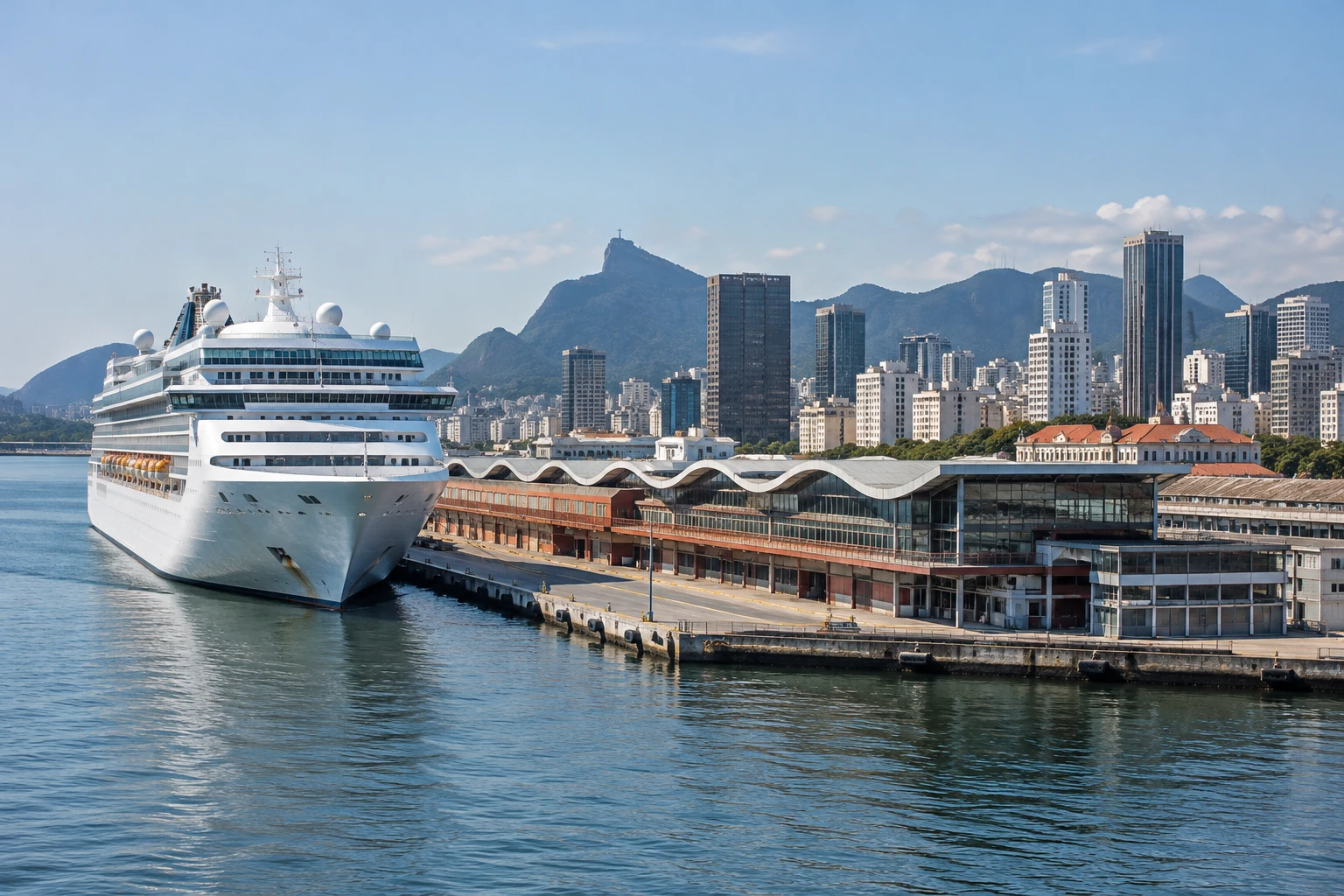
Rio de Janeiro’s cruise gateway is Pier Mauá, the passenger terminal in the city’s port and central historic area. Its strongest practical advantage is location: passengers are well placed for the historic center, tourist sights, and airport connections. The finer details, including arrival instructions and pickup arrangements, depend on the ship and sailing date.
- Cruise embarkation and disembarkation take place at Pier Mauá.
- The terminal sits near Praça Mauá in Rio’s port and central historic area.
- Use your cruise documents for the exact terminal instructions, check-in window, and transport arrangements.
- The latest fully documented cruise season ran roughly from October into April, but it is not a substitute for a current sailing schedule.
- Allow extra time on large-ship days, and confirm parking or assistance arrangements directly before travel.
Start every plan with the instructions issued for your own sailing. That simple step matters more than a generic city estimate, especially when you are coordinating luggage, a flight, a hotel check-in, or a timed shore activity.
Where your ship docks: Pier Mauá
Pier Mauá is the cruise passenger terminal for Rio de Janeiro embarkation and disembarkation. PortosRio identifies Pier Mauá as the terminal operator, making it the appropriate contact point for terminal-specific matters such as parking, alongside the instructions supplied by your cruise line.
The terminal is near Praça Mauá, within Rio’s port and central historic area. That position gives a port call a useful starting point for central sightseeing, rather than placing passengers at a remote airport-style facility. Let your ship’s all-aboard time set the limits of the day, then choose an outing that fits those limits comfortably.
Use the ship’s clock as your planning tool
A city map cannot tell you when your gangway opens, when you must return, or how long terminal processes will take on a particular call. Record the ship’s published arrival and return times first. Then build a plan with room for the journey back, an unexpected delay, and the walk from your confirmed drop-off point.
Plan transfers by sailing details, not map distance
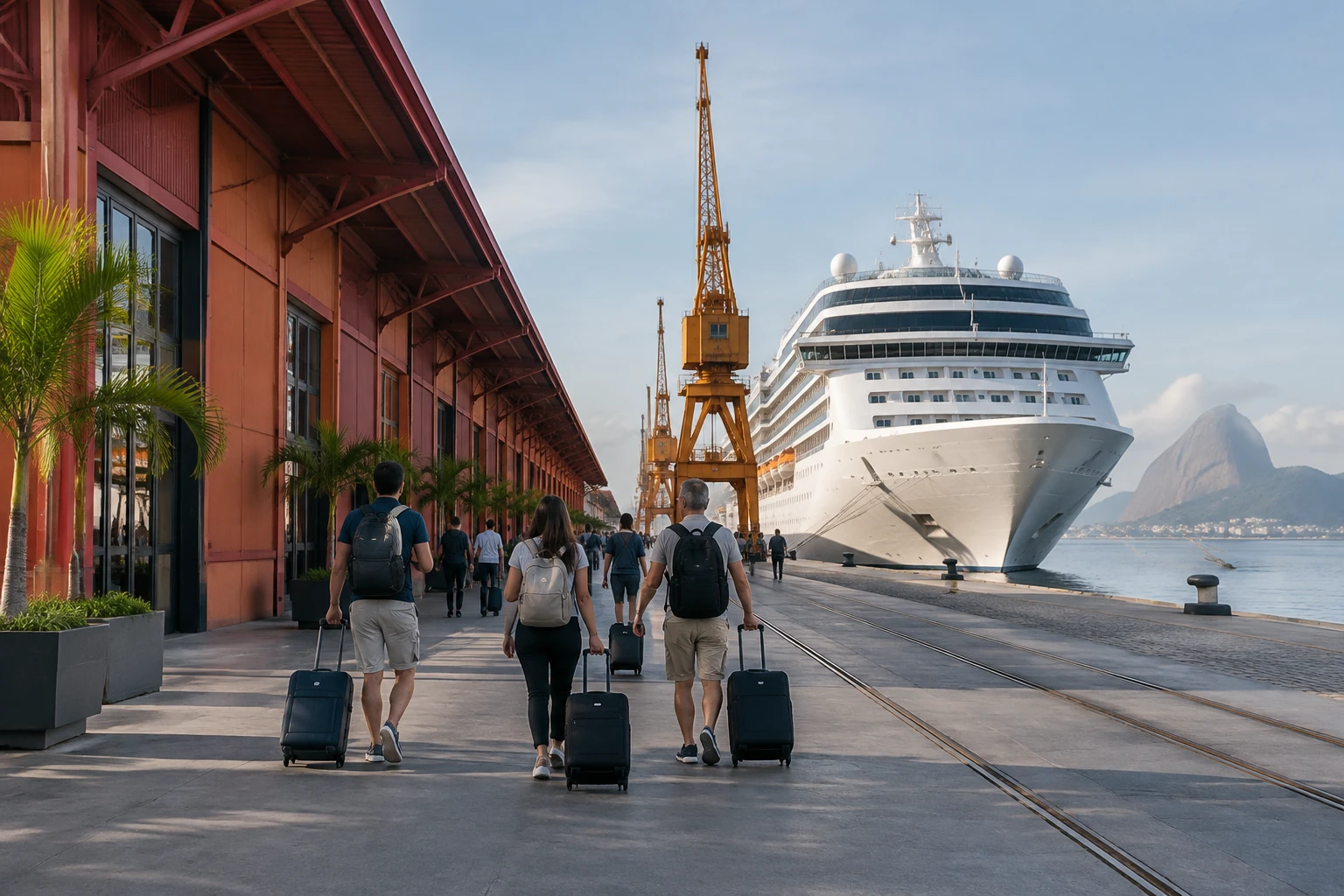
For embarkation or a post-cruise flight, arrange transport around the pickup point and timing confirmed for your sailing. Current terminal procedures for passenger drop-off, luggage handling, public transport, and cruise-terminal shuttles are sailing-specific details that should be checked with Pier Mauá and your cruise line before departure.
For rough geographic orientation only, a municipal reference published in 2016 placed Pier Mauá about 2 km from Santos Dumont Airport and about 11 km from Tom Jobim/Galeão Airport. Those figures are not journey-time, route, or fare estimates. Traffic and the confirmed vehicle meeting point will determine the real transfer plan.
If a flight, hotel, or private driver is part of the same day, avoid chaining together tight commitments. A transfer plan works best when it has one confirmed meeting point, a realistic luggage plan, and time reserved on either side of the cruise line’s required arrival or release window.
A transfer checklist worth saving
- Confirm the terminal name, passenger arrival window, and cruise-line contact channel in your final documents.
- Set the vehicle meeting point before travel, rather than assuming a curbside pickup location.
- Match the vehicle to your group and luggage needs.
- Keep the cruise documents and any identification requested by your sailing instructions easy to reach.
- For a flight connection, leave a generous buffer after the ship’s planned arrival.
Allow extra margin on busy ship days
Large ship calls can place thousands of people into the same arrival and departure rhythm. During the 2025/2026 season, PortosRio listed an MSC Seaview call carrying up to 5,429 tourists. That is a useful reminder to build breathing room into terminal entry, curbside pickups, and the start and finish of any independent outing.
Extra time is more valuable than a guessed wait-time estimate. On a day when your ship shares the terminal area with another large vessel, keep the first and last parts of your schedule light. An early timed appointment far from the port, or a flight booked too close to the vessel’s arrival, leaves little room for normal operational variation.
Still comparing Sightseeing?
Ask for tour ideas, hotel suggestions, or a simple trip plan that combines both.
Trip Helper
Keep the return journey simple
For an independent port day, choose one main objective and work backward from the all-aboard time. Save the terminal address, your confirmed return point, and the cruise line’s contact details before leaving the ship. A focused plan makes the central location an advantage without turning the day into a race across the city.
Rio cruise season: use October to April as planning context
The latest fully documented Rio season ran from October 11, 2025, through April 20, 2026. It included 84 ship calls by 28 vessels and about 240,000 visitors. This supports treating October through April as Rio’s principal cruise period, with the understanding that these dates do not confirm the schedule for a later season.
Use your booking confirmation for the current itinerary, call date, arrival time, and terminal instructions. Cruise schedules can change, and the details that matter most for a day in port are the ones attached to your own reservation.
Build a flexible short-day plan
Pier Mauá’s central position makes a historic-center-focused day a practical starting point. Begin with the ship’s return deadline, decide how much transport you are comfortable taking on, and keep the final part of the day close to your confirmed route back. This approach is particularly useful when more than one large ship is in port.
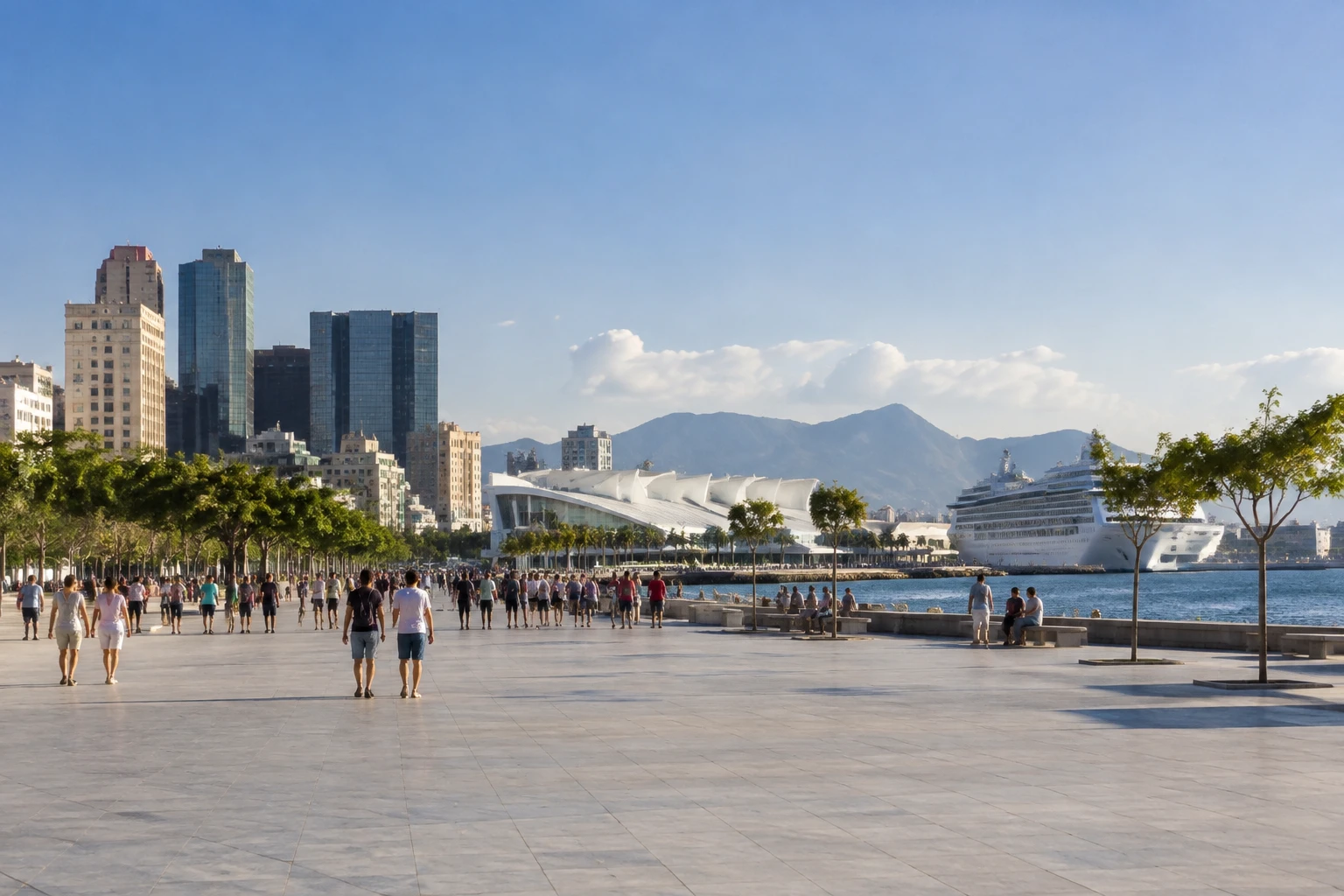
A short call rewards selectivity. Choose a single neighborhood, museum visit, guided outing, or ship-sponsored plan rather than trying to cover every famous sight. If transport is included in an organized activity, review its return arrangements before booking and compare them with your ship’s all-aboard time.
Travelers adding a longer land stay can continue planning with a Museum of Tomorrow Rio de Janeiro guide, a Christ the Redeemer guide for first timers, or a 3 days in Rio de Janeiro itinerary. These are better suited to a fuller visit, when you can separate major sightseeing from the fixed timetable of a ship call.
If you have an overnight before or after the cruise
Use the extra night to reduce pressure, not to create a more complicated transfer day. Keep your hotel, transport, and terminal plan in the same part of the city when possible, and give yourself an unhurried morning before embarkation or an unhurried afternoon after disembarkation.
Embarkation and disembarkation without guesswork
All cruise embarkation and disembarkation activity is centered on Pier Mauá, but the cruise line controls the passenger instructions for a specific ship. Treat your final cruise documents as the operating plan for check-in timing, documents, baggage process, and where to meet any transfer.
- Read the final cruise instructions again shortly before leaving for the terminal.
- Keep the documents requested by the cruise line and your travel essentials together in a small, accessible bag.
- Confirm your transport meeting point and pickup time for the exact sailing date.
- Do not rely on an old parking quote, general map pin, or another passenger’s terminal procedure.
- On disembarkation day, schedule onward travel only after allowing for the ship’s own release process and terminal pickup arrangements.
This is the moment to favor clear instructions over assumptions. A cruise terminal is part of a port operation, and details such as the vehicle approach, pickup zone, and access arrangements can be different from one itinerary to the next.
Parking, curbside access and assistance needs
If you plan to drive, ask Pier Mauá directly about parking availability and the daily tariff for your travel date. PortosRio directs travelers to the terminal operator for these questions, so it is best not to build a driving plan around an outdated rate or an assumed space.
Confirm passenger drop-off and pickup procedures before leaving home. The best meeting point for a driver, hotel transfer, or group pickup should come from current terminal or cruise-line instructions, particularly when you are traveling with multiple bags or coordinating several people.
Passengers who need mobility, medical, or other assistance should arrange it through their cruise line and confirm the terminal-side plan with Pier Mauá before travel. Do not assume a particular step-free route, accessible facility, mobility service, or adapted vehicle without confirming the arrangements for your sailing.
Five details to reconfirm before departure
- The exact Pier Mauá terminal instructions and cruise-line arrival window.
- Your pickup or drop-off point, including a contact method for the driver or provider.
- Parking availability and the current daily price, if you are driving.
- Any assistance arrangements required for your party.
- The ship’s all-aboard time and your plan for returning from an independent outing.
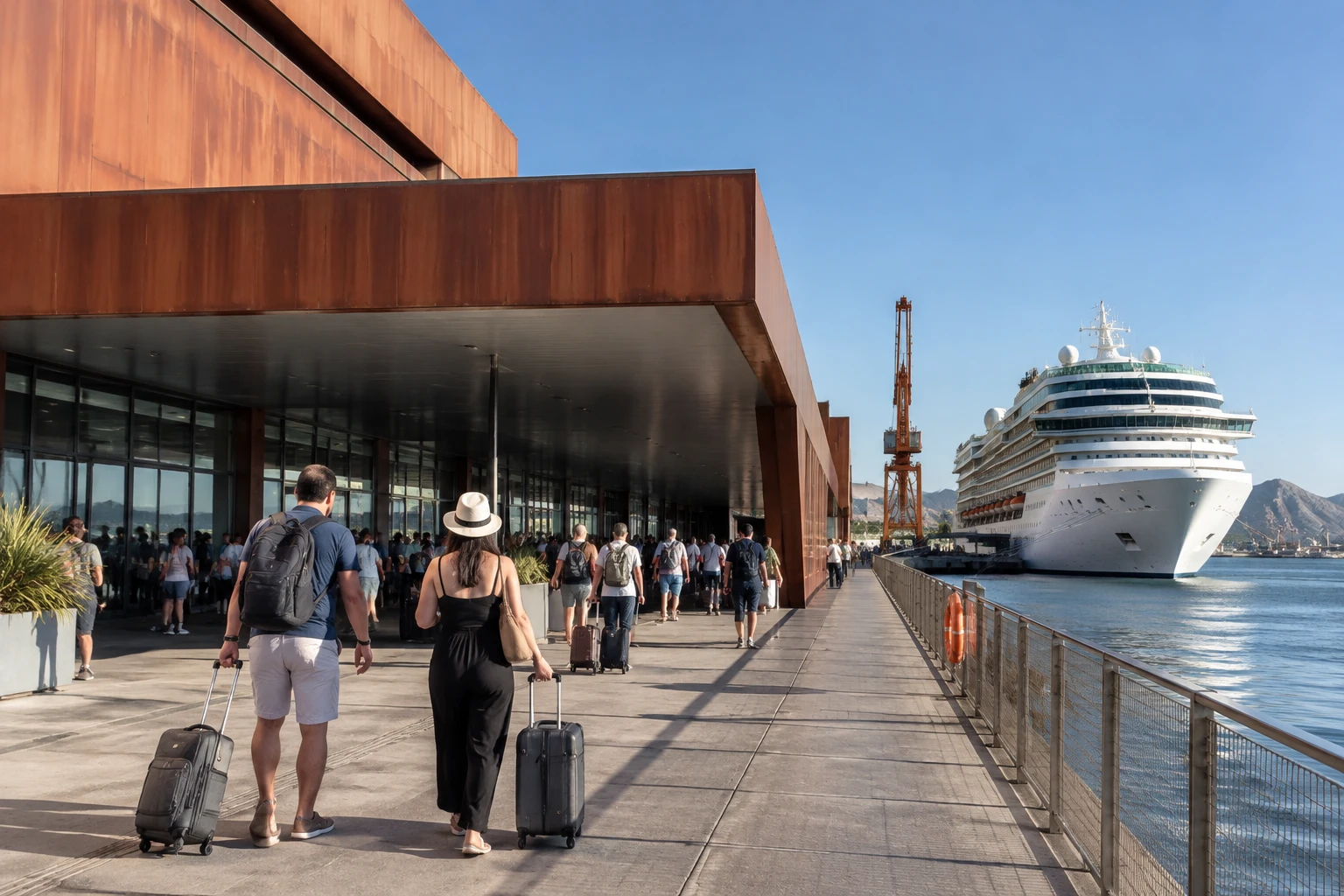
These are small checks, but they protect the parts of a cruise day that are hardest to improvise with luggage in hand. Once they are settled, Pier Mauá’s central setting gives you a straightforward base for beginning or ending a Rio visit.
The practical verdict on Pier Mauá
Pier Mauá is a well-placed cruise gateway for travelers who want a direct connection to central Rio and its historic area. Its main limitation is that the operational details are tied closely to each sailing. Confirm the terminal plan, leave extra time on busy ship days, and keep a short port day focused. With those basics in place, the terminal’s central location works firmly in your favor.
Frequently asked questions
What is the Rio de Janeiro cruise port called?
Rio de Janeiro cruise embarkation and disembarkation take place at Pier Mauá, the city’s passenger terminal.
Is Pier Mauá close to central Rio de Janeiro?
Yes. Pier Mauá is in Rio’s port and central historic area near Praça Mauá, with practical connections to the historic center, tourist sights, and airports.
When is Rio de Janeiro’s cruise season?
The latest fully documented season ran from October 11, 2025, to April 20, 2026. Use your cruise booking for the current season’s individual sailing dates and terminal times.
Can I park at Pier Mauá?
Check directly with Pier Mauá for parking availability and the current daily price for your sailing date. PortosRio directs terminal-specific parking questions to the operator.
What is the best way to get from the airport to the cruise terminal?
Choose the transfer plan that reaches the Pier Mauá meeting point at the time confirmed for your sailing. Older municipal geographic context places the terminal about 2 km from Santos Dumont and 11 km from Tom Jobim/Galeão, but those are not journey-time or fare estimates.
Is Pier Mauá accessible for passengers needing assistance?
Arrange any mobility or medical assistance through your cruise line and confirm the terminal-side plan with Pier Mauá before travel. Facilities and support arrangements should be confirmed for the specific sailing.

Rio's Full Day: Selarón Steps, Christ & Sugarloaf – Tickets & Lunch Included
Discover the best of Rio de Janeiro in a full-day tour that combines convenience, comfort, and expert guidance. This experience includes lunch, admiss...

Best of Rio in One Day: Christ Redeemer, Sugarloaf & Local Lunch
Discover the best of Rio de Janeiro in just one day with a complete, well-organized itinerary designed to provide co...

Exclusive Full Day in Rio: Pickup at the Sea Port Terminal
Join us, in a small group tour, for a day full of fun, visiting the most well-known landmarks in the city, and cultu...

Christ the Redeemer & Sugarloaf: Rio City Tour with Lunch
Discover Rio de Janeiro’s top attractions on a guided small-group tour. Visit Christ the Redeemer and Sugarloaf Mo...
Experiences to explore
 Explore experience ↗
Private Departure Transfer from Rio de Janeiro cruise port to RIOgaleão Airport
◷ 1 hr
Book your private transfer from Rio de Janeiro cruise terminal to RIOgaleão - Tom Jobim International Airport (GIG), 24 hours a day, 7
See dates for Current pricing
View dates Explore experience ↗
Private Transfer: Airport to Cruise Terminal with Sightseeing
This is the perfect transfer to maximize your time in Rio. Instead of a regular private transfer, this service gives you the opportunit
See dates for Current pricing
View dates Explore experience ↗
Private One Way Transfer - Rio Airports or Cruise Terminal
◷ 1 hr
If after a long trip all you want is a fast, reliable and comfortable service then we have just what you need, private transportation f
See dates for Current pricing
View dates