
This 3 days in Rio de Janeiro itinerary balances famous viewpoints, beach time, historic streets, and an evening taste of the city's music scene. The route avoids racing between distant stops and leaves room for weather changes. That flexibility matters in a city where cloud can transform a mountaintop visit and a slower beach hour can become the highlight of the day.
- Day 1: Visit Christ the Redeemer, continue through Santa Teresa, and spend the evening around Lapa.
- Day 2: Enjoy a beach morning, take a relaxed lunch break, and reserve the later afternoon for Sugarloaf.
- Day 3: Explore Centro and the Selarón Steps, add one cultural stop, and finish with a flexible final evening.
- Book the major viewpoint experiences in advance, but keep enough flexibility to respond to cloud, rain, or changed operating conditions.
- Use public transportation where it suits the route and dedicated attraction transport for Christ the Redeemer.
The plan works best when the three days are mostly complete sightseeing days. If arrival or departure cuts into one of them, protect the Christ the Redeemer and Sugarloaf blocks first. Shorten the neighborhood walks rather than squeezing several major attractions into one rushed afternoon.

Santa Teresa Tram Tour, Selarón Steps, Lapa & Cinelândia
Explore Rio’s bohemian heart on a half-day tour designed for you. Ride the historic tram over the iconic Arcos da Lapa aqueduct, stroll the cobblest...
Three-day Rio itinerary at a glance
| Day | Morning | Afternoon | Evening |
|---|---|---|---|
| Day 1 | Christ the Redeemer | Santa Teresa | Lapa or an early dinner |
| Day 2 | Copacabana or Ipanema | Lunch and Sugarloaf | Beachfront dinner or a relaxed night |
| Day 3 | Centro and Selarón Steps | One cultural stop or extra neighborhood time | Sunset, dinner, or samba |
Treat this table as the route's backbone rather than a rigid timetable. Rio rewards unhurried stops, and every transfer consumes part of the day. One carefully chosen beach, one major viewpoint, and one neighborhood walk usually create a richer experience than a checklist of hurried photo stops.
Before you begin: choose a practical base and plan your transport
Copacabana and Ipanema are natural areas to consider when the beach is central to your trip. Your choice should reflect the hotel, budget, atmosphere, and evening routine you prefer. A detailed Ipanema or Copacabana base comparison can help you settle that decision before reserving accommodation.
Metrô Rio is the regulated metro concession for the city. Use its current trip-planning information when checking routes, service details, and the stations that fit each day's plan. Confirm the final journey shortly before leaving because transport arrangements can change independently of a saved itinerary.
Do not build the schedule around minute-by-minute transfers. Allow a buffer before timed attractions and avoid placing two inflexible bookings back to back. A short delay is much easier to absorb when lunch, a beach walk, or a neighborhood visit remains adjustable.
Review practical Rio safety tips before the first day, then apply them without letting caution dominate the trip. Carry only what you expect to use, keep valuables out of sight when walking, and check the next route before stepping into an unfamiliar street. A compact day bag is easier to manage than a backpack full of unnecessary equipment.
Day 1: Christ the Redeemer, Santa Teresa, and Lapa
Make Christ the Redeemer the main event of the first morning, then keep the afternoon and evening more fluid. This arrangement gives the most weather-sensitive stop a defined place while allowing the rest of the day to expand or contract. If conditions are poor, use the flexibility described later in this itinerary rather than forcing the visit.

Morning: plan Christ the Redeemer around weather and access
Christ the Redeemer is generally open daily from 08:00 to 19:00, although hours can change seasonally and operations can be affected by weather. Check the current status before leaving. An early start provides more of the day for alternatives if cloud or an operational change disrupts your original slot.
Paineiras official vans combine round-trip transfers with attraction access. Prices vary according to the day, boarding point, and package. A guided option can also reduce time spent dealing with the main ticket queues while adding local context, but read the package description carefully so you understand its meeting point and inclusions.
The main access points have lifts and escalators, and provisions have been made for visitors with reduced mobility. Transport operators can have their own mobility-service requirements, so travelers who need assistance should review those conditions before selecting a transfer or ticket.
Bring water, sun protection, and a light outer layer, but keep the bag small. At a crowded viewpoint, unnecessary gear becomes a burden. Once you arrive, resist treating the stop as a single photograph. Leave time to look across the city, notice changing cloud, and absorb the scale of the landscape before descending.

Christ the Redeemer & Sugarloaf: Rio City Tour with Lunch
Discover Rio de Janeiro’s top attractions on a guided small-group tour. Visit Christ the Redeemer and Sugarloaf Mo...

3 Hour Rocinha Favela Walking Tour with a Local Guide
Visiting the Rocinha favela, one of Rio's hundreds of "favelas" (the Brazilian term for a slum or shantytown) and th...

Exclusive Full Day in Rio: Pickup at the Sea Port Terminal
Join us, in a small group tour, for a day full of fun, visiting the most well-known landmarks in the city, and cultu...
Afternoon: slow the pace in Santa Teresa
After the morning viewpoint, continue to Santa Teresa for a less structured afternoon. Choose lunch first, then explore at a pace that suits your energy. A Santa Teresa neighborhood guide is useful for deciding which streets, viewpoints, and food stops belong in your limited time without turning the visit into another race.
Give this portion of the day a clear stopping point. It is tempting to keep adding detours, but a three-day itinerary needs energy in reserve. If the morning ran late, choose a meal and a compact walk. If everything moved smoothly, extend the neighborhood visit before heading toward the evening plan.
Evening: dinner or samba in Lapa
Lapa can serve as the evening continuation of the day, but it does not need to become a late night. Eat first and decide how much energy remains. Travelers interested in live music can use a samba nights in Lapa guide to plan the setting and timing rather than wandering without a destination.
If travel fatigue catches up with you, skip nightlife and have an early dinner near your accommodation. The next day includes the beach and another major viewpoint. Protecting that time is more valuable than staying out simply because the itinerary contains an evening suggestion.
Day 2: beach time and Sugarloaf
The second day combines an open-ended beach morning with a more structured afternoon. This is the itinerary's breathing space. Keep the morning simple, pause for a proper meal, and approach Sugarloaf without filling every spare hour with another attraction.
Morning: choose either Copacabana or Ipanema
Choose one beach as the main destination instead of shuttling repeatedly between both. Walk, sit at a kiosk, or spend time on the sand according to the conditions and your interests. Check local water and beach guidance before swimming, and avoid leaving phones, wallets, or bags unattended while entering the water.
If your accommodation is already near one beach, use that convenience. Visitors still deciding between the two can consult the Ipanema or Copacabana comparison for a closer look at the character of each base. In a short visit, reducing unnecessary transfers often improves the day more than choosing a beach based on reputation alone.
Allow time to return to the hotel if you need to shower or change before the afternoon. Sand, damp clothes, and a tightly packed sightseeing bag are an awkward combination. A short reset also keeps the later viewpoint visit from feeling like the final stage of an endurance event.
Midday: pause for lunch before the next attraction
Plan lunch as a real break rather than a rushed snack between vehicles. Choose somewhere convenient to the route and avoid crossing the city for a single restaurant. A where to eat in Rio de Janeiro guide can help narrow the choices by neighborhood, including casual meals, kiosks, and traditional dishes.
Afternoon: give Sugarloaf enough time
Reserve the later part of the day for Sugarloaf and avoid attaching another fixed booking immediately afterward. Consult a Sugarloaf Cable Car planning guide for the current ticket process, operating details, and advice specific to the attraction. This itinerary does not rely on a precise sunset time, so you can choose a slot that fits the season and your pace.
When comparing ticket options, focus on entry conditions, cancellation terms, and what the selected product includes. Prices and availability can vary by date and ticket type. Keep the confirmation accessible offline and leave enough transfer time to arrive without turning the trip across the city into a sprint.
Afterward, keep dinner flexible. Return toward your accommodation, eat near the beach, or choose an early night. This is also a sensible moment to check the next morning's transport and any admission details for your Centro plans.
Still comparing Rio De Janeiro Three Day Itinerary With Guided Walks?
Ask for tour ideas, hotel suggestions, or a simple trip plan that combines both.
Trip Helper
Day 3: Centro, the Selarón Steps, and a flexible finale
Use the final day to see a different side of Rio through street-level exploration and one carefully chosen cultural stop. The goal is not to enter every building or photograph every square. A coherent walking sequence, a relaxed lunch, and time for one final evening experience create a stronger finish.
Morning: follow a focused Centro walking route
Begin with a planned Selarón Steps and Centro walk rather than an improvised zigzag between scattered pins. Select a small number of stops before leaving and save their names offline. This keeps attention on the streets and architecture instead of a phone screen, while also reducing unplanned detours.
Start with the outdoor portion while your energy is high. Pause where the scene interests you, but stay aware of your belongings and surroundings. If a street feels uncomfortable or unexpectedly empty, move to a busier route rather than insisting on following a saved line exactly.
Afternoon: choose one cultural stop or an extended lunch
Choose one indoor attraction that matches your interests, then check its current admission and operating information before the day begins. If nothing appeals strongly, spend the afternoon over lunch and continue the walk at a gentler pace. Three days is too short for attractions selected only to fill an empty box on the schedule.
This block also works as weather insurance. If an earlier viewpoint visit was postponed, use the afternoon for the rescheduled attraction and shorten Centro. The itinerary remains successful even when the days change order, provided you avoid stacking too many cross-city transfers into one period.
Evening: choose the ending that fits your energy
Finish with the experience still missing from your trip. That could be another beach hour, a neighborhood dinner, or a samba evening if you skipped Lapa on the first night. Consult the Rio de Janeiro by night guide if you want a more structured plan after dark.
Keep departure logistics in mind. If you leave early the following morning, return with enough time to pack, confirm transportation, and rest. A memorable final night loses some shine when it ends with a frantic search for a passport or an alarm set for the wrong hour.
How to get around during the itinerary
Use Metrô Rio's current planning information for journeys that fit the metro network. It is the regulated metro concession, making its own service information the appropriate reference for routes and operations. Check the return journey as well as the outbound trip, especially when an evening plan ends later than your daytime sightseeing.
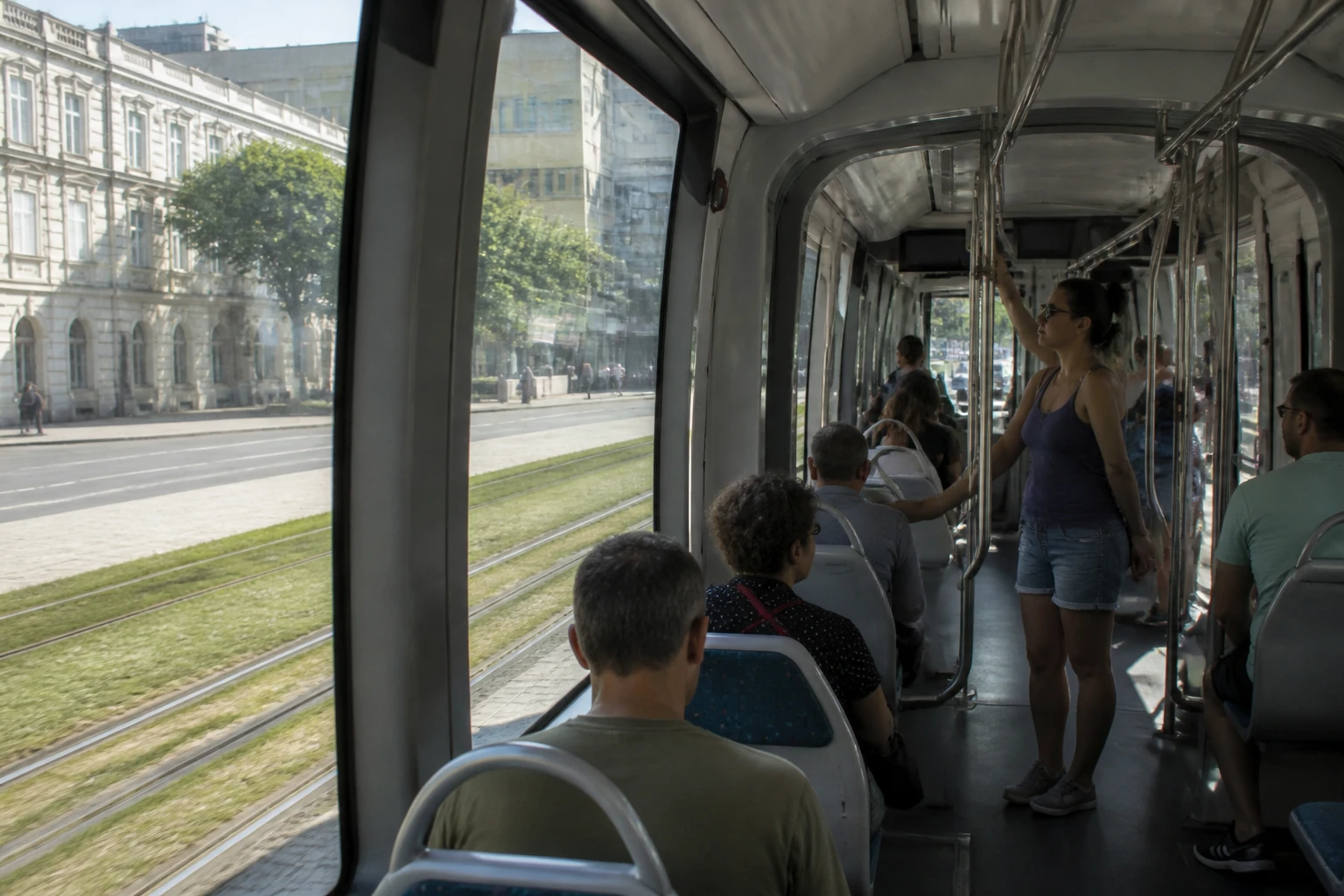
City visitor material has listed the VLT tram and an executive bus among public transportation options between the airport and downtown. Routes and fares are changeable, so verify the current service before building an arrival or departure plan around either option. Leave a generous airport buffer rather than treating the journey like an ordinary sightseeing transfer.
Christ the Redeemer is the main stop where dedicated attraction transportation deserves special consideration. Paineiras official vans include round-trip transfers and access, although the price depends on the day, boarding point, and package. Compare that complete journey with any alternative rather than looking at only one part of the cost.
For every day, group stops into the same broad area and return to your accommodation only when necessary. Carrying what you need for several hours can save a duplicate trip, but do not overpack. The most efficient transport decision is often the one that removes a transfer rather than the one with the lowest individual fare.

Full Day in Rio: Christ, Sugarloaf, Selarón & Barbecue Lunch
Experience a full-day tour of Rio de Janeiro, visiting all the city’s must-see attractions in a single day! See t...

Private Rio Tour: Christ the Redeemer & Sugar Loaf Essentials
Enjoy a personalized visit to Rio de Janeiro’s essentials with a private guide and driver. The tour covers key hig...

Private Custom Full-Day Highlights in Rio: Only the Best Sights!
Enjoy the most complete private day tour in Rio de Janeiro with flexible itineraries built just for you. Visit iconi...
Tickets and reservations to arrange first
- Reserve Christ the Redeemer transportation or admission after reviewing the selected boarding point and package inclusions.
- Check the current Christ the Redeemer operating status because seasonal schedules and weather can affect a visit.
- Review the current Sugarloaf ticket process before choosing a time slot.
- Confirm any cultural attraction you consider essential for Day 3.
- Keep booking confirmations available offline and note cancellation conditions.
- Leave meals and neighborhood walks flexible unless a particular reservation matters to you.
Avoid paying for overlapping tours that cover the same stops. Read the complete itinerary of each package, including meeting points and return arrangements. A tour that sounds convenient can create a scheduling problem if it duplicates the next day's route or ends far from your evening plan.
How to adjust the itinerary for weather, mobility, or a slower pace
If cloud or rain affects a viewpoint day
Swap the flexible Centro or neighborhood block with the affected viewpoint when your bookings allow it. Christ the Redeemer operations can be affected by weather, so check conditions before starting the journey. If changing the reservation is impossible, follow the operator's stated terms and make the rest of that day enjoyable rather than waiting indefinitely for perfect skies.
If someone in the group has reduced mobility
Christ the Redeemer has lifts and escalators at the main access points, with provisions intended to improve access for visitors with reduced mobility. The transportation stage still needs attention because operator requirements can differ. Review those conditions before booking and reduce the amount of neighborhood walking elsewhere in the day if necessary.
If you are traveling with children or prefer shorter days
Keep one major attraction per day and treat everything else as optional. On Day 1, that means Christ the Redeemer. On Day 2, protect either the beach or Sugarloaf according to the group's interests. On Day 3, shorten the walking route and choose a comfortable lunch stop before anyone becomes tired.
If nightlife matters more than early mornings
Move beach time to a later morning and keep the final evening free for music. Do not schedule the most weather-sensitive attraction immediately after your latest night unless the booking is flexible. Two enjoyable evenings are better than three nights out followed by three exhausted sightseeing days.
What to pack for three days of city sightseeing
- Comfortable walking shoes with secure fastenings
- A compact rain layer or small umbrella
- Sun protection and a refillable water bottle
- A small day bag that closes securely
- Swimwear and a separate bag for damp clothing
- Offline copies of tickets, accommodation details, and essential booking confirmations
Leave expensive accessories and unnecessary documents at your accommodation. Pack for the day's actual plan instead of every possible scenario. A lighter bag makes security checks, viewpoint crowds, beach stops, and public transportation much easier to manage.

Common planning mistakes to avoid
- Scheduling Christ the Redeemer and Sugarloaf as rushed stops on the same tightly timed day.
- Ignoring weather until after leaving for a mountaintop attraction.
- Choosing a hotel without considering how often the itinerary crosses the city.
- Trying to visit both main beaches, several neighborhoods, and multiple museums in one day.
- Assuming attraction packages include the same transportation, access, or meeting point.
- Using old fare or schedule information without checking current transport details.
The central lesson is simple: reduce transfers and protect the experiences you care about most. Rio's scale can make an overfilled plan look efficient on a screen while feeling exhausting on the street. A little empty space in the schedule is not wasted time. It is where lunch runs longer, cloud clears, or a beach walk becomes the afternoon's defining memory.
Make three days in Rio feel complete
Three days gives first-time visitors enough time for Rio's signature viewpoints, a meaningful beach pause, and a closer look at several neighborhoods. The main limitation is weather and the time consumed by cross-city movement. Reserve the essential attractions, keep one block each day flexible, and check changing transport and operating details shortly before you go. That approach creates a trip with structure, breathing room, and a strong sense of the city.
Frequently asked questions
Is three days enough for Rio de Janeiro?
Yes, three full days are enough for a focused first visit covering Christ the Redeemer, a beach, Sugarloaf, and a compact selection of neighborhoods. Avoid adding distant day trips or too many timed attractions.
What should I book first for a three-day Rio itinerary?
Book Christ the Redeemer transportation or admission first, followed by your Sugarloaf plans and any cultural attraction you consider essential. Christ packages vary by boarding point, day, and inclusions.
What time does Christ the Redeemer open?
Christ the Redeemer is generally open daily from 08:00 to 19:00. Seasonal changes and weather can affect hours or operations, so check the current status before traveling.
How can I reach Christ the Redeemer?
Paineiras official vans provide round-trip transportation and access, with prices varying by day, boarding point, and package. Review the selected option's meeting point and inclusions before booking.
Is Christ the Redeemer accessible to visitors with reduced mobility?
The main access points have lifts and escalators, and provisions have been made for visitors with reduced mobility. Check the chosen transport operator's mobility-service requirements before booking.
Do I need a car for this itinerary?
A car is not essential to the structure of this itinerary. Use current Metrô Rio planning information where the network suits the journey, and consider dedicated transportation for Christ the Redeemer.
Santa Teresa Tram Tour, Selarón Steps, Lapa & Cinelândia
Explore Rio’s bohemian heart on a half-day tour designed for you. Ride the historic tram over the iconic Arcos da Lapa aqueduct, stroll the cobblest...
