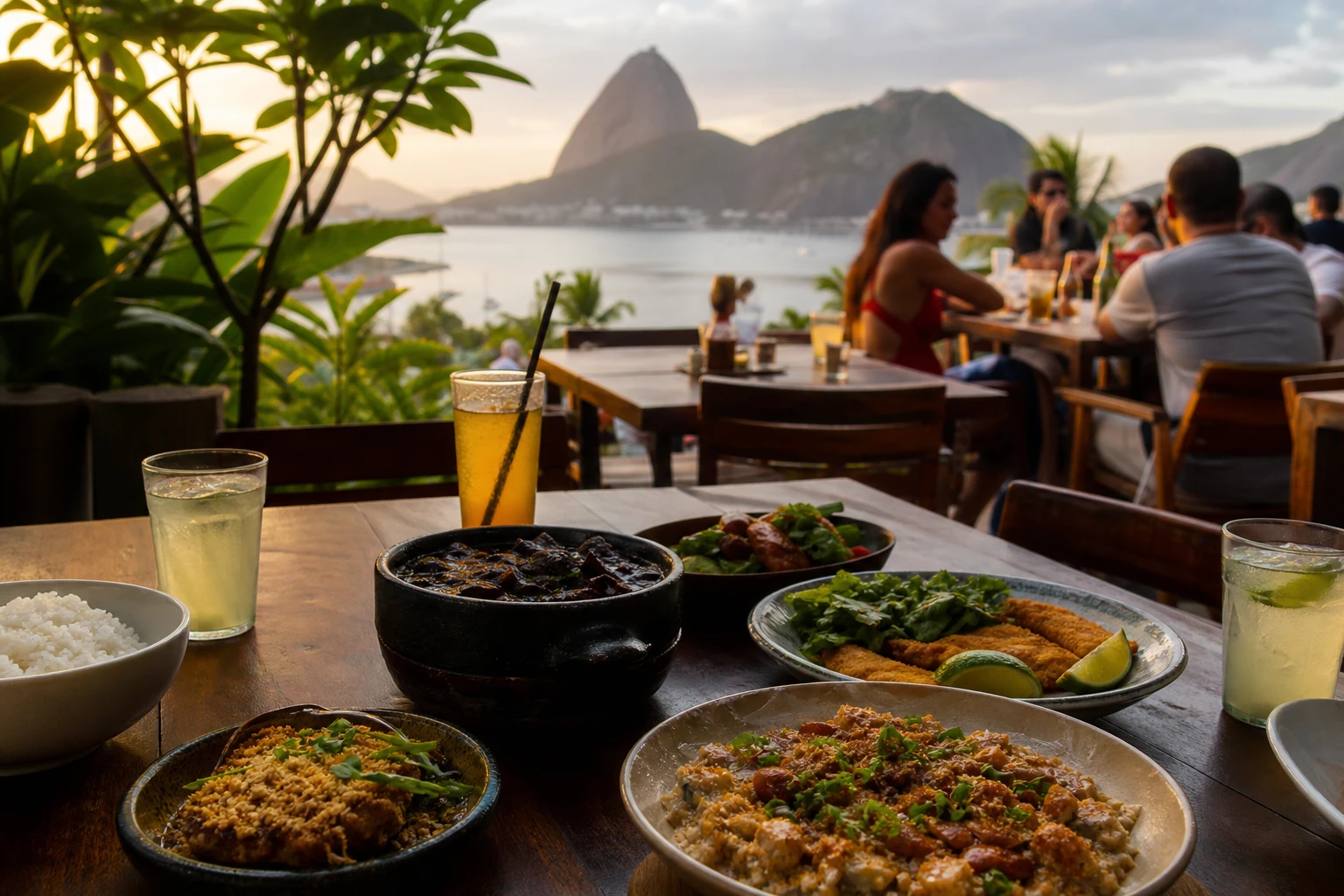
Choosing where to eat in Rio de Janeiro becomes easier once you stop treating the city as one enormous restaurant list. Rio’s official tourism service divides dining into restaurants, kiosks, coffee shops, bars, and gastronomic poles. That is a useful way to plan: pick a neighborhood that fits the day, then choose the kind of meal you want there.
- Choose dining neighborhoods around your sightseeing route rather than crossing the city for every meal.
- Use Ipanema and the wider South Zone when polished dining and special-occasion restaurants are priorities.
- Consider Jardim Botânico for a daytime meal or café stop near other activities in the area.
- Look beyond the beachfront districts to gastronomic hubs such as Vargem Grande and Vista Alegre.
- Check current hours, reservation policies, menus, and accessibility directly with each venue before leaving.
- Leave room for more than restaurants. Kiosks, coffee shops, bars, and neighborhood food districts are part of Rio’s dining landscape.
This guide focuses on making a workable choice rather than declaring a single winner. A beachfront snack, a long lunch in the West Zone, and an elaborate dinner in Ipanema serve very different days. The best answer depends on where you are staying, how much travel time you want to spend, and whether food is the main event or a welcome pause between attractions.

Food Tour Rio de Janeiro - The Best Typical Brazilian Dishes
Discover Brazil through its flavors, history, and rhythm on this immersive food tour in Rio de Janeiro. Explore the authentic Little Africa district a...

3 Hour Rocinha Favela Walking Tour with a Local Guide
Visiting the Rocinha favela, one of Rio's hundreds of "favelas" (the Brazilian term for a slum or shantytown) and th...

Private Rio Tour: Christ the Redeemer & Sugar Loaf Essentials
Enjoy a personalized visit to Rio de Janeiro’s essentials with a private guide and driver. The tour covers key hig...

Rio Carnival Parade from a Prime Box – With Shuttle, Tour Guide, Food & Drink
Experience the Rio Carnival from a prime spot at the Sambadrome, guided by an expert dedicated to ensuring your safe...
Choose a dining area that fits your day
Rio’s dining scene reaches across multiple districts and zones. The city’s official gastronomic-poles material highlights both established visitor areas and destinations farther from the usual beachfront circuit. This spread creates variety, but it also makes route planning important. A restaurant that looks close on a broad city map may require a separate journey once traffic and neighborhood geography enter the picture.
Start by marking your morning and afternoon activities. Then search for lunch nearby or reserve dinner close to your accommodation. This approach reduces backtracking and gives you more flexibility if a museum visit, beach stop, or viewpoint takes longer than expected. First-time visitors can pair this meal strategy with a complete guide to Rio de Janeiro for first timers when assembling the wider itinerary.
| Area or format | A sensible reason to choose it | Planning note |
|---|---|---|
| Ipanema and the South Zone | A polished dinner or special meal | Reserve ahead when a particular restaurant matters |
| Jardim Botânico | A daytime café, breakfast, or lunch stop | Match the meal with nearby daytime plans |
| Vargem Grande | A food-focused trip beyond the central visitor corridor | Allow extra transportation time |
| Vista Alegre | A later neighborhood outing | Confirm the chosen venue’s current hours |
| Kiosks, cafés, and bars | A lighter meal or flexible stop | Check whether the menu suits your group |
Ipanema and the South Zone for a polished dinner
Ipanema is a practical choice when dinner is meant to feel like an occasion. Riotur’s 2024 pocket guide highlights upscale dining in South Zone neighborhoods and names Ipanema restaurants including Gurumê and Lasai. Their inclusion supports using this part of the city for a fine-dining-oriented evening rather than limiting the neighborhood to casual beach food.
Treat those names as planning leads, not automatic recommendations for every traveler. Review the current menu, dress expectations, reservation procedure, dietary information, and final location before committing. Restaurant details change, and a celebrated dining room may not suit a family seeking a quick meal or a traveler watching expenses.
Ipanema also makes sense when you want to keep an evening compact. Plan dinner near the neighborhood where you will spend the late afternoon, or near your accommodation if you prefer an easy return afterward. Travelers still choosing a base can compare Ipanema or Copacabana as a place to stay before building restaurant reservations around the decision.
How to plan an Ipanema dinner
- Select the evening when dinner will be the main activity rather than a rushed stop.
- Check the restaurant’s latest menu and reservation requirements directly.
- Confirm the complete address and estimate the journey from your previous activity.
- Ask about dietary needs and accessibility before paying a deposit or relying on a booking.
- Keep one nearby alternative in mind in case plans change.
Jardim Botânico for breakfast and daytime dining
Jardim Botânico works well when you want to anchor food around daytime sightseeing. Riotur’s 2026 dining roundup lists ASA Açaí in Jardim Botânico with daytime hours across the week. The same roundup lists Empório Jardim as operating daily with a stated last-order time, illustrating why breakfast, lunch, and afternoon plans deserve the same scheduling attention as dinner.
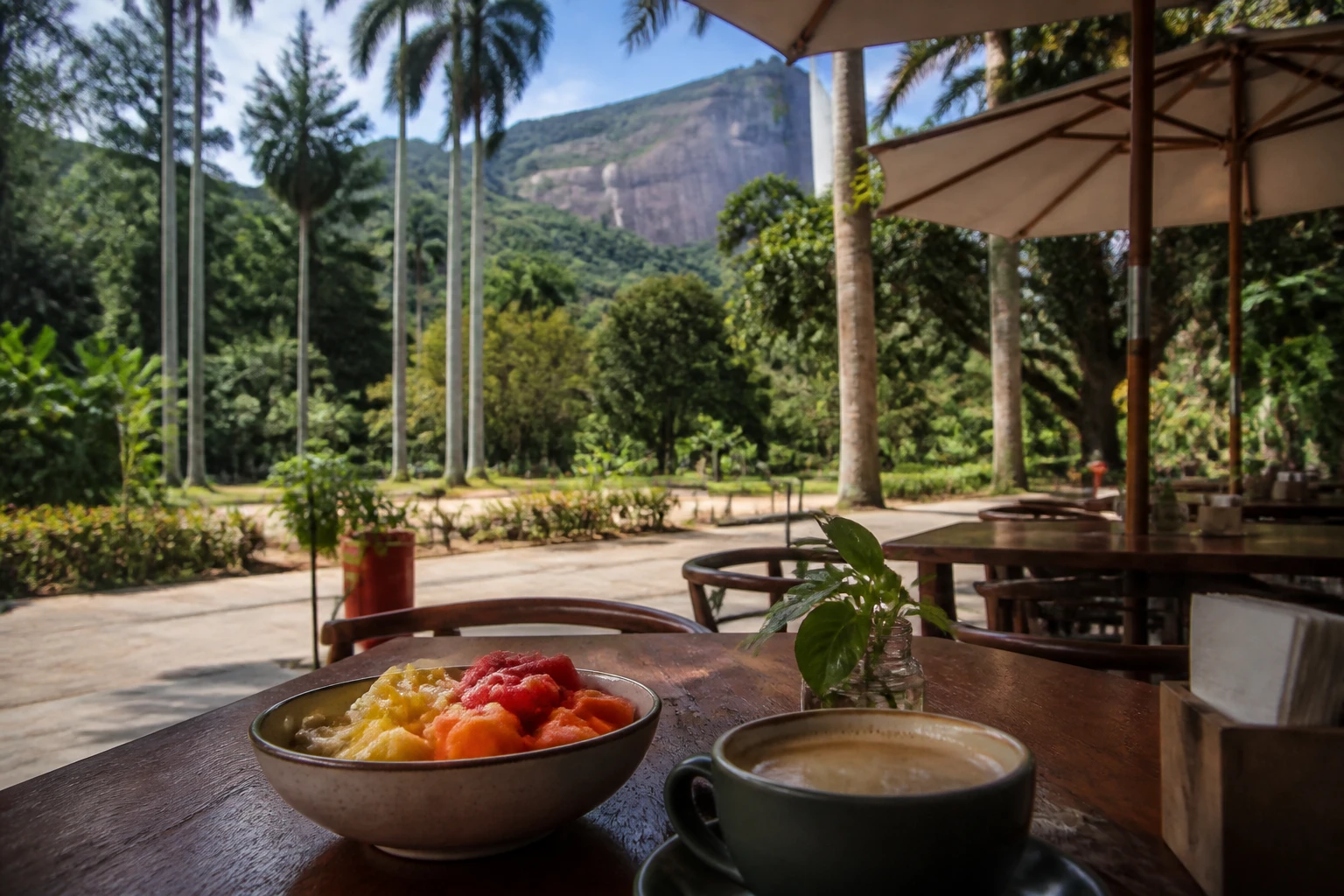
A daytime stop can create a gentler rhythm than crossing Rio for a distant dinner. Eat before an activity if the timing is fixed, or plan a later meal when your morning schedule is flexible. Heat, rain, queues, and traffic can all affect a tightly packed day, so leave a buffer rather than placing a reservation directly against a timed attraction.
Bal.Clan is another venue included in the official 2026 roundup and is listed there as opening daily from noon into the evening. Examples like these are useful for building an initial shortlist, but the official listing should not replace a same-day check. Hours, last orders, private events, and holiday schedules can change.

Rio's Cookin' Good: 9-Dish & Caipis Fiesta + Optional Market Tour
Wander into our Ipanema hideout and let the culinary capers begin. Whether you're a kitchen newbie or a seasoned fo...

Rio Maracana Stadium Football Match Ticket & Private Transport
***JOGA BONITO*** Step into the heart of Brazil’s passion with a once-in-a-lifetime experience: attending a live...

The Best Half Day in Rio with Christ Redeemer and Sugar Loaf Hill
Enjoy a small-group tour to visit the most iconics landmarks in Rio de Janeiro. First visit the Christ the Redeemer...
Who should choose a daytime food stop
- Travelers who prefer a substantial breakfast or lunch and a simpler evening meal
- Families who find earlier meals easier to manage
- Visitors combining food with daytime attractions
- People who want to avoid making every dining decision after a long sightseeing day
- Travelers who need time to confirm ingredients, seating, or accessibility
Vargem Grande for a food-focused West Zone outing
Vargem Grande offers a reason to look beyond the best-known South Zone dining areas. Riotur presents it as a West Zone gastronomic hub associated with organic, gourmet, and artisanal food. That description makes it appealing to travelers who want the meal itself to justify a separate neighborhood outing.
This is not the place to squeeze casually between two distant attractions. Choose a restaurant first, confirm its schedule, and calculate transportation in both directions. If several venues interest you, compare their menus and atmosphere before traveling rather than expecting every establishment in a broad food district to offer the same experience.
Vargem Grande is most practical when your group agrees that dining is a central part of the day. A leisurely lunch may fit better than a late dinner if you do not want a long return journey after dark. Ask the venue about arrival options, nearby drop-off conditions, and any parking arrangements instead of assuming these details.
Vista Alegre for late dining beyond the tourist core
Vista Alegre represents another side of Rio’s neighborhood food culture. Riotur describes its gastronomic pole as having nearly 30 establishments and says the district operates until 4 a.m. on weekends. Because that information is time-sensitive, use it as evidence of the area’s late-night character, not as a guarantee that every venue keeps the same schedule.
A late meal here requires more preparation than simply arriving at a beachfront district. Decide how you will travel home, keep the address available offline, and verify the venue’s closing time on the day. The practical Rio safety tips guide can help with broader decisions about transportation, valuables, and moving around unfamiliar parts of the city.
Vista Alegre may suit travelers seeking a district with numerous choices and a later weekend timetable. It is less suitable when the next morning starts early, when the group wants to walk back to a South Zone hotel, or when nobody has checked the return route. A lively night loses its shine quickly when the logistics were left at the table.
Restaurants, kiosks, cafés, bars, and botecos
A useful Rio eating plan includes more than formal restaurants. Riotur separates the city’s options into restaurants, kiosks, coffee shops, bars, and gastronomic poles. These categories can become a simple daily structure: café or bakery-style stop in the morning, restaurant lunch, a kiosk break during sightseeing, and a bar or dinner venue in the evening.

Kiosks for flexible stops
Kiosks are useful when timing matters more than ceremony. Before ordering, look at the menu, confirm accepted payment methods, and ask about ingredients that matter to you. A kiosk can solve a gap between activities, but it should not be your only plan if someone in the group has strict dietary or seating requirements.
Coffee shops for a reset
A coffee-shop stop can provide shade, a seat, and time to adjust the next part of the day. Use it to check transportation, wait out a shower, or avoid turning lunch into an emergency. If breakfast is important, confirm the venue opens early enough rather than assuming a place described as a café follows your home-country schedule.
Still comparing Rio De Janeiro Food And Dining Planning?
Ask for tour ideas, hotel suggestions, or a simple trip plan that combines both.
Trip Helper
Bars and botecos for a social meal
Bars and botecos can work as a full meal, a shared-snack stop, or the beginning of an evening out. For more context on feijoada, kiosks, and neighborhood botecos, consult Eating in Rio: Feijoada, Kiosks and the Best Botecos by Neighborhood. It complements this location-based guide with a closer look at recognizable Rio dining formats.
If dinner leads into live music, choose food close to the night’s main destination. The guide to samba nights in Lapa can help frame an evening in which eating and entertainment share the same area. Build enough time for the meal so that ordering, paying, and reaching the music venue do not become a sprint.
How to match the restaurant to your budget
No single Rio neighborhood belongs to one price category, so compare actual menus instead of assigning a budget label to an entire district. Decide which meals deserve more spending and where simplicity is welcome. A traveler might prioritize one upscale Ipanema dinner, then balance it with daytime cafés, kiosks, or straightforward neighborhood meals.
Check whether menu prices appear current and whether extras could change the total. Ask about portion size if you are considering shared dishes. If the online information is unclear, contact the restaurant directly. Avoid planning around an old photograph of a menu, especially when the meal is central to the day.
| Priority | Dining strategy |
|---|---|
| Keep spending controlled | Compare menus and make lunch the main meal |
| Plan one special dinner | Reserve a South Zone venue and simplify other meals |
| Stay flexible | Use cafés, kiosks, and bars around scheduled activities |
| Explore beyond visitor districts | Give Vargem Grande or Vista Alegre its own outing |
| Manage a mixed group | Choose a venue with a broad, current menu and clear seating information |
Reservations, timing, and restaurant checks
Reserve when missing a particular restaurant would disrupt your plans. This is especially sensible for a special dinner, a large group, or a schedule built around a timed event. For a flexible café or kiosk stop, a reservation may be unnecessary, but checking current operating hours still prevents a wasted journey.
Riotur’s current dining roundup gives useful examples of daily and daytime schedules, including ASA Açaí, Empório Jardim, and Bal.Clan. Yet even recent official listings remain snapshots. Verify hours directly with the venue, particularly on holidays, during major events, or when a last-order time matters.
A five-minute check before leaving
- Confirm that the venue is open and accepting customers at your expected arrival time.
- Check whether a reservation is required and whether the restaurant has your booking.
- Review the current address and transportation plan.
- Ask about dietary requirements, step-free entry, adapted restrooms, and seating needs.
- Save a nearby alternative in case the original plan changes.
Accessibility and dietary planning
Rio’s city government has previously described accessibility work in major tourist areas, including ramps, tactile paving, adapted parking, and access around bus stops. It also introduced an inclusive-gastronomy program intended to improve access, signs, menus, and staff awareness within gastronomic poles.

Those city materials date from 2014 and 2015, so they cannot confirm the present conditions at an individual restaurant. Contact the venue directly and ask specific questions. “Accessible” can mean very different things depending on whether you need a step-free entrance, room beside a table, an adapted restroom, accessible parking, or menu assistance.
Dietary needs also deserve direct confirmation. Send the restaurant a clear description rather than relying only on a menu label. Ask how dishes are prepared when cross-contact is a concern. Keep a backup venue available, especially if the requirement is medical or the group will be dining late.

Rio de Janeiro Hang Gliding Experience
The original hang gliding experience over Rio de Janeiro, Brazil. Operated by, WXC World Champion, National Champion...

Skip the Line Christ the Redeemer Admission Ticket
Christ the Redeemer (Corcovado) is Brazil's most iconic landmark and a trip to Rio is not complete without visiting...

Exploring Angra Dos Reis and Ilha Grande in One Day
Discover the magic of a tropical paradise by booking the Angra dos Reis and Ilha Grande tour. These stunning destina...
A simple three-day eating plan
On the first day, stay near your accommodation and learn the rhythm of the surrounding streets. Choose a café or light daytime stop, then book a comfortable dinner within an easy return journey. This keeps arrival day flexible and gives you time to check menus and transportation before venturing farther.
On the second day, connect lunch with Jardim Botânico or another daytime area, using the current official dining roundup to start a shortlist. Make the evening your special South Zone meal if Ipanema’s polished dining fits your interests. Confirm both venues rather than assuming the daytime and dinner schedules remain unchanged.
On the third day, choose one broader food experience. Vargem Grande suits a West Zone outing shaped around organic, gourmet, and artisanal dining, while Vista Alegre offers a district known for numerous establishments and late weekend activity. Pick one rather than trying to combine distant areas into a single food crawl.
The most useful way to decide where to eat
Begin with geography, then narrow the choice by meal style. Ipanema and the South Zone can carry a special dinner. Jardim Botânico fits naturally into daytime plans. Vargem Grande rewards a dedicated food outing, while Vista Alegre may appeal to diners looking beyond the tourist core and into the later weekend hours.
Mix formal restaurants with cafés, kiosks, bars, and neighborhood establishments so that every meal does not require a reservation or a long journey. Most importantly, verify the details that could spoil the plan: opening times, last orders, current menus, reservations, dietary needs, accessibility, and the trip home.
Frequently asked questions
What is the best area for fine dining in Rio de Janeiro?
Ipanema and the wider South Zone are sensible places to begin. Riotur’s 2024 pocket guide highlights upscale dining in these neighborhoods and names Ipanema restaurants such as Gurumê and Lasai. Check current menus, reservations, and opening details directly before visiting.
Where can I eat during the day in Rio?
Jardim Botânico is one useful area to consider. Riotur’s 2026 dining roundup lists ASA Açaí there with daytime hours and also provides current schedule examples for Empório Jardim and Bal.Clan. Treat published hours as a starting point and verify them directly.
Is there good food outside Ipanema and Copacabana?
Yes. Riotur identifies gastronomic districts across different parts of Rio. Vargem Grande is presented as a West Zone hub for organic, gourmet, and artisanal food, while Vista Alegre is described as having nearly 30 establishments.
Where can I eat late at night in Rio?
Riotur describes the Vista Alegre gastronomic pole as operating until 4 a.m. on weekends. This does not mean every establishment follows that schedule, so confirm the exact venue’s hours and arrange transportation home before going.
Do I need restaurant reservations in Rio de Janeiro?
Reserve when a specific restaurant, special dinner, or large group is central to your plans. For casual stops, confirming hours may be enough. Because policies and schedules change, verify requirements directly with each venue.
Are Rio restaurants wheelchair accessible?
Accessibility varies by venue. Older city programs addressed ramps, tactile paving, adapted parking, signs, menus, and staff awareness, but those materials do not prove current restaurant-level access. Ask directly about step-free entry, restrooms, seating, and arrival arrangements.
Food Tour Rio de Janeiro - The Best Typical Brazilian Dishes
Discover Brazil through its flavors, history, and rhythm on this immersive food tour in Rio de Janeiro. Explore the authentic Little Africa district a...

4x4 Tijuca National Park Rio de janeiro
Hike through the Tijuca National Park on this 4-hour tour. Stop at a refreshing natural lagoon for a brief swim befo...

Rio Shore Excursion: Skip the Line Christ Redeemer and Sugar Loaf Day Tour
Combine two of Rio's most popular tours on a full-day shore excursion packed with breathtaking views. Int he morning...

Rio Shore Excursion: Christ Redeemer, Sugarloaf and Selarón Steps 6-Hour Tour
Be worry free and still get to see three of Rio’s best landmarks on this Half-day shore excursion packed with brea...