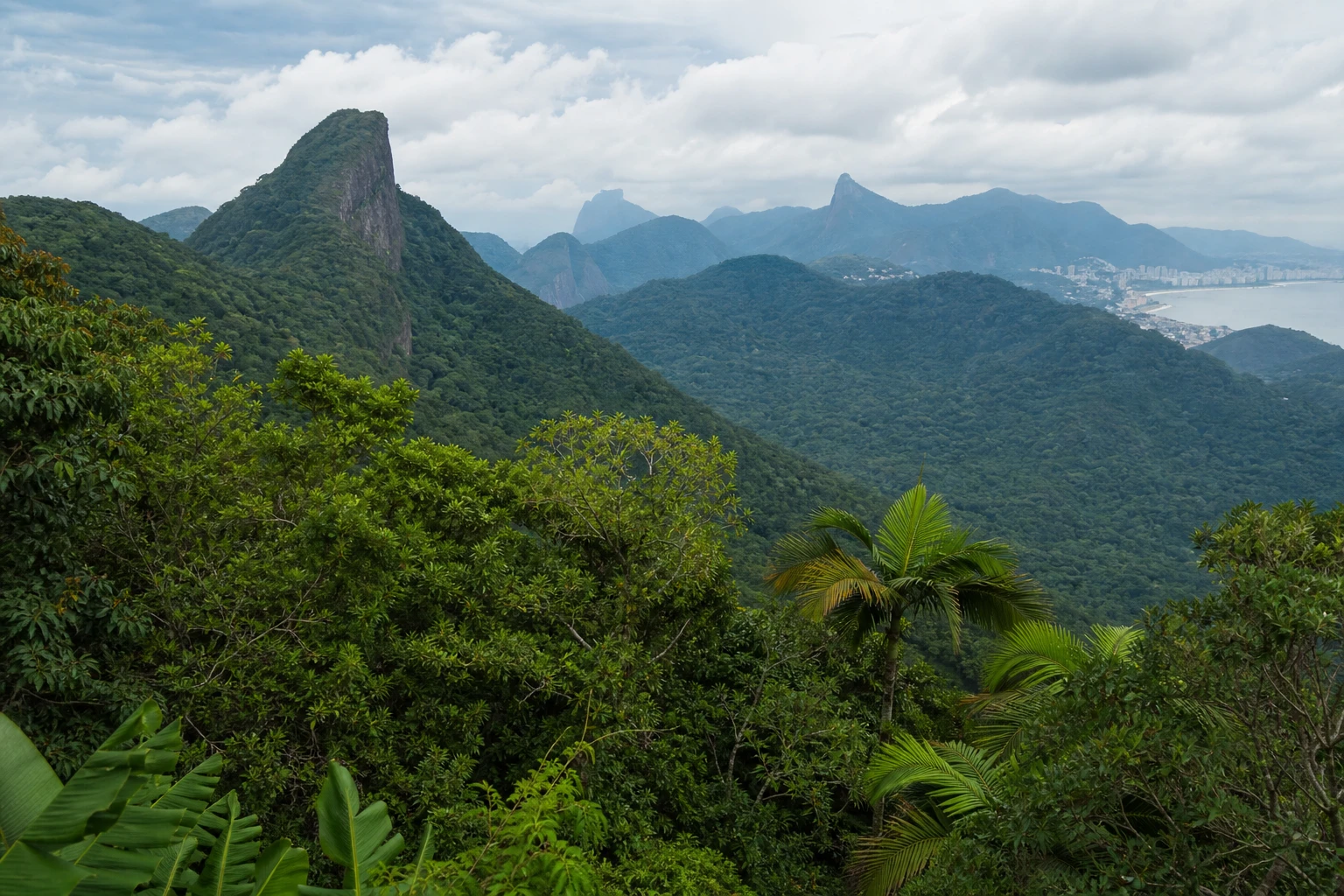
Tijuca National Park is woven into Rio de Janeiro rather than sitting beyond the city as one self-contained attraction. Managed by ICMBio, the protected area brings together Corcovado, Pedra da Gávea, Pedra Bonita and Floresta da Tijuca. That range is its appeal, but it also creates the park's biggest planning challenge: visitors must decide which part they actually want to experience.
A successful visit begins with a specific destination, not simply “Tijuca National Park” entered into a navigation app. A forest outing, a mountain objective and a visit to Corcovado can involve different access arrangements, preparation and ticket steps. Treating them as separate experiences makes the day easier to organize.

Pedra Bonita Hiking Tour - Tijuca National Park - Rio de Janeiro
Pedra Bonita Hiking Tour The Pedra Bonita mountain is located in the Tijuca National Park in São Conrado, Rio de Janeiro. Considered one of the hig...

Jeep Adventure: Guided Tour through Tijuca Rain Forest
Hop in an open Jeep for a morning tour of the Tijuca Forest in Rio de Janeiro, also known as Tijuca National Park. T...

Explore the Best of Tijuca Forest – Hike to Peaks, Caves & Falls
This tour is all about experiencing the best of Rio - hiking to stunning peaks, exploring hidden caves, and cooling...

Tijuca Forest Jeep Tour
Explore the world's largest urban rainforest while in Rio de Janeiro! This small-group, 4-hour jeep tour through the...
- Choose a named attraction or sector before arranging transport.
- Do not assume one park ticket covers every attraction or concession-managed service.
- Check the weather forecast before committing to a mountain or forest visit.
- Allow more time if combining sectors, since the park is not a single compact sightseeing stop.
- Confirm accessibility for the exact route or facility you plan to use.
For many travelers, one focused park experience is more rewarding than a hurried attempt to collect several names in a day. Choose the landscape or activity that matters most, settle the entry arrangements, and leave enough flexibility for changing weather and visibility.
Think of Tijuca as several experiences within one protected area
The name Tijuca National Park covers major attractions with distinct identities. Corcovado is one component. Pedra Bonita and Pedra da Gávea are separate mountain destinations, while Floresta da Tijuca provides a forest-centered way to encounter the park. The right choice depends on whether your priority is a managed attraction, a mountain outing or time among dense greenery.
| Park area | Best planning approach | Key consideration |
|---|---|---|
| Corcovado | Plan it as a specific managed attraction | Expect distinct entry and concession arrangements |
| Pedra Bonita | Organize a dedicated mountain outing | Check weather and current access conditions |
| Pedra da Gávea | Treat it as its own mountain objective | Research the route before deciding whether it suits you |
| Floresta da Tijuca | Build a forest-focused visit | Choose your intended entry point and activity first |
This structure explains why broad advice about “going to Tijuca” can be misleading. Directions, tickets and physical demands depend on the selected destination. Set the objective first and solve the logistics around it, rather than choosing transport before knowing where inside the park you are headed.
Choose the park sector that matches your day
Choose Corcovado for a structured attraction visit
Corcovado suits travelers who want one of the park's major attractions within a formally managed visitor system. Its concession and entry arrangements make advance attention to the selected ticket especially important. Read what the ticket includes, identify the stated arrival point and keep the confirmation available for the day.
Do not use general park admission information as a substitute for the current Corcovado instructions. Separate rules can apply in this sector, and the practical value of a managed system is most apparent when the visitor follows the correct access process from the start.
Choose Pedra Bonita for a focused mountain outing
Pedra Bonita is best planned as a specific mountain objective rather than an incidental stop. Check the forecast, confirm current access information and decide how the outing fits your comfort with outdoor terrain. The separate Pedra Bonita hiking guide provides a more focused look at planning this part of Tijuca.
Approach Pedra da Gávea as a separate objective
Pedra da Gávea should also be treated as its own destination. Do not assume that guidance for another Tijuca route applies here. Before setting out, review current route conditions, access details and the demands of the intended outing. Weather belongs at the center of that decision, not as a last-minute footnote.
Choose Floresta da Tijuca for a forest-centered visit
Floresta da Tijuca is the natural choice when the forest itself is the main attraction. It offers a different rhythm from organizing the day around one managed viewpoint or mountain objective. Even here, start with a defined route or destination so that transport and preparation correspond to the part of the forest you intend to explore.
Travelers interested in walking options can continue with the guide to three Tijuca Forest hikes. Use route-specific information to compare the outings rather than assuming every trail has the same access, surface or physical demands.

Tijuca Forest Challenge Full-Day Hike (Small-Group or Private)
A challenging hike in a very unusual part of Tijuca Forest, one of the biggest urban forests in the world. On this...

4x4 Tijuca National Park Rio de janeiro
Hike through the Tijuca National Park on this 4-hour tour. Stop at a refreshing natural lagoon for a brief swim befo...

Rio de Janeiro Botanical Garden & Tijuca Forest Tour
Nature lovers can explore Rio’s diversity through a guided visit to the Botanical Garden and Tijuca Forest. Highli...
Build a realistic Tijuca itinerary
The simplest itinerary gives one park attraction the leading role. This reduces the risk of losing time between entry points or arriving without the correct ticket. It also leaves room for weather changes, photographs and pauses instead of turning the park into a transport puzzle.
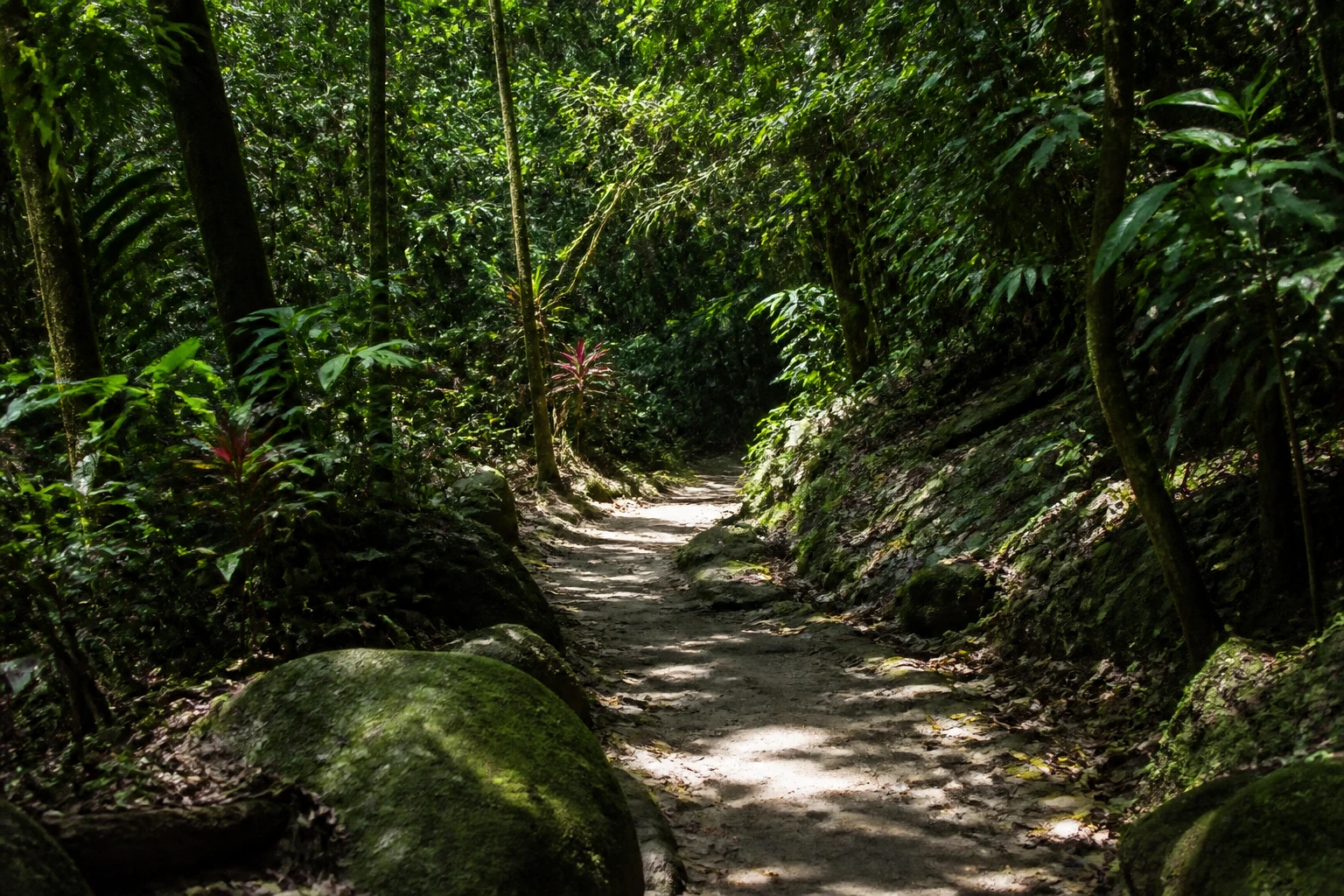
A focused first visit
- Select Corcovado, Pedra Bonita, Pedra da Gávea or a defined Floresta da Tijuca outing.
- Review the current access and ticket information for that destination.
- Check the forecast and reconsider exposed or outdoor plans if conditions look poor.
- Arrange transport around the correct arrival or entry point.
- Pack for the selected activity rather than for a generic sightseeing day.
A broader park day
Combining areas makes sense only when the route is deliberate. Pairing experiences can increase the number of ticket checks, transfers and weather-dependent decisions. Keep the second stop optional unless its access and timing are already clear. That flexibility matters in a park spread across different mountain and forest attractions.
First-time visitors balancing the park with beaches, neighborhoods and other landmarks can use the best things to do in Rio de Janeiro for first-time visitors to shape the wider itinerary. Tijuca deserves enough space to feel like an experience, not a rushed gap between unrelated stops.
Understand tickets and costs before setting out
Do not treat Tijuca National Park as one all-inclusive ticket. Access support is managed through concessions, and separate entry rules apply in at least the Corcovado sector. Depending on the chosen attraction, your total can involve a park fee, a concession-managed ticket or another service selected for access.
An ICMBio fee update published in 2025 listed R$54 for Parque Nacional da Tijuca. Older official material used different seasonal figures, so those earlier amounts should not be used to budget a current visit. Prices and ticket structures can change, and the relevant figure is the current one for your sector and selected service.
Before paying, check the attraction name, date, entry instructions and inclusions. If a tour or transport service is involved, compare its description with the admission you already hold. This prevents duplicate assumptions about what is included without turning the planning process into a long checklist.
Pedra Bonita Hiking Tour - Tijuca National Park - Rio de Janeiro
Pedra Bonita Hiking Tour The Pedra Bonita mountain is located in the Tijuca National Park in São Conrado, Rio de Janeiro. Considered one of the hig...
4x4 Tijuca National Park Rio de janeiro
Hike through the Tijuca National Park on this 4-hour tour. Stop at a refreshing natural lagoon for a brief swim befo...
Explore the Best of Tijuca Forest – Hike to Peaks, Caves & Falls
This tour is all about experiencing the best of Rio - hiking to stunning peaks, exploring hidden caves, and cooling...
RIO Paragliding Flight w/ Brazilian Female Champion video inc
Private flight with Brazilian Champion pilot + 4K GoPro video + 360° Insta360 video + All taxes INCLUDED — no ups...
Budget by attraction and sector, not by the park name alone.

Arrange transport around the exact entry point
Start with the exact attraction and the arrival instructions attached to it. A generic park destination is not precise enough when Corcovado, Pedra Bonita, Pedra da Gávea and Floresta da Tijuca form different parts of the protected area. Share the specific destination when arranging a ride or following navigation directions.
If you book a guided outing or prearranged transport, check which sector it serves and where the meeting point is located. Confirm whether admission is included or handled separately. Corcovado's managed access makes this distinction particularly important, but the same habit helps with any planned visit.
Avoid fixing a tight onward appointment immediately after a weather-dependent park outing. Mountain and forest plans benefit from a little breathing room, especially if you must adjust the route or delay the start after reviewing conditions.
Still comparing Tijuca National Park Hiking Tours?
Ask for tour ideas, hotel suggestions, or a simple trip plan that combines both.
Trip Helper
Let weather decide the pace of the visit
Check the forecast before visiting Tijuca National Park. Weather affects the comfort and value of a mountain-and-forest day, and it deserves extra weight when the plan involves an exposed objective or views. Review conditions again close to departure rather than relying only on a forecast seen several days earlier.
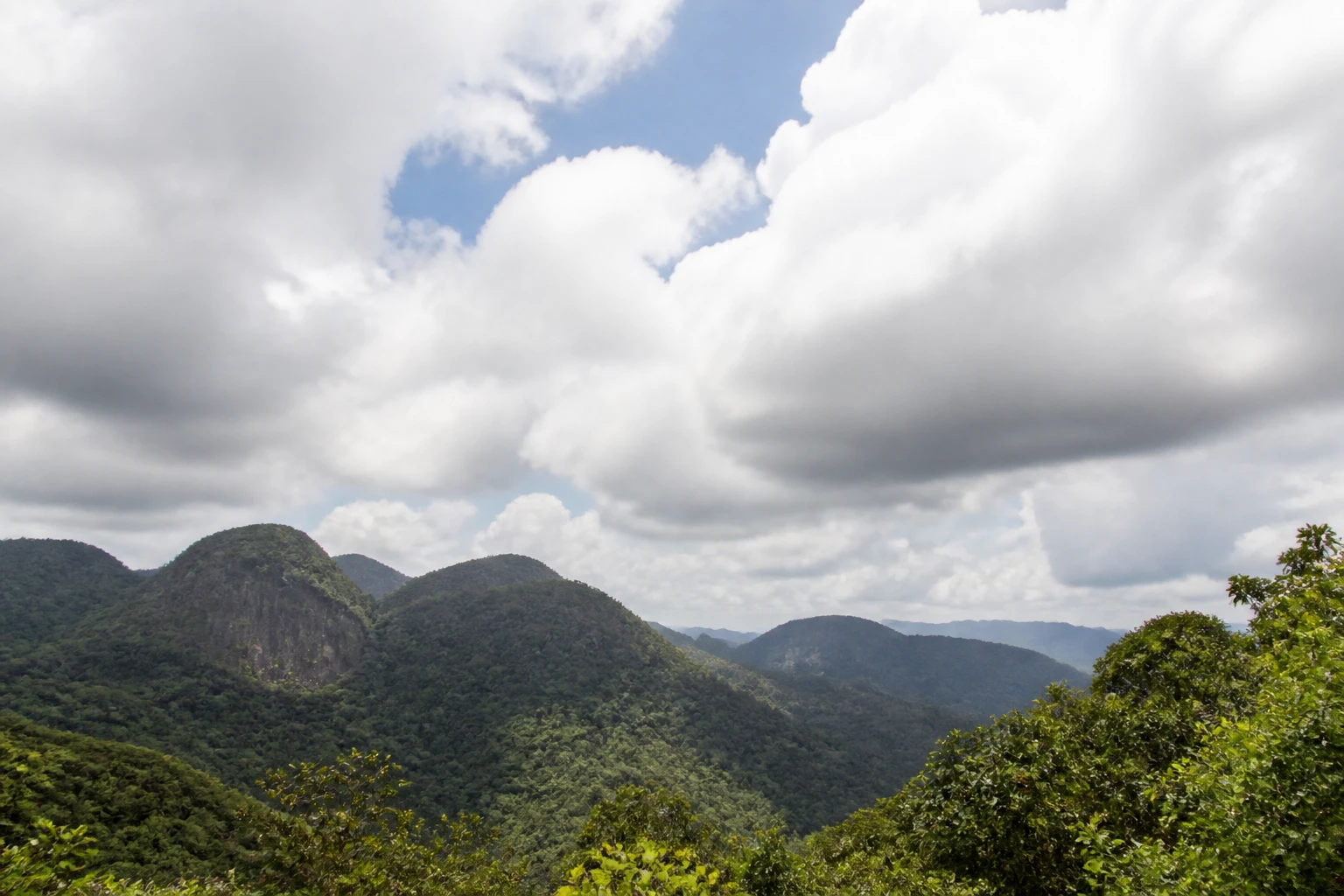
Build a backup plan elsewhere in Rio for a day that does not suit your chosen park activity. Moving the visit is often more satisfying than forcing an outdoor objective under poor conditions. Keep ticket change and cancellation terms in mind if you book a timed or concession-managed experience.
Weather awareness also improves packing. Carry drinking water, sun protection and a light rain layer appropriate to the planned outing. Wear footwear suited to the surface you expect, and avoid testing unfamiliar equipment for the first time at the park entrance.
Pack for your chosen activity, not for Tijuca in general
A managed attraction visit and an outdoor route do not require identical preparation. Start with the activity, expected terrain and current weather. Pack lightly enough to move comfortably, but carry the basics needed to avoid cutting the outing short for an ordinary problem such as thirst, sun exposure or a passing shower.
- Water in a reusable bottle
- Weather-appropriate clothing and a light rain layer
- Comfortable footwear selected for the intended surface
- Sun protection
- A charged phone with the ticket or meeting details saved
- Any personal medication or mobility aid needed for the outing
Keep valuables unobtrusive while moving between the city and the selected entry point. Visitors who want a broader approach to urban awareness can review the practical Rio safety tips before arranging independent transport or an early departure.
Plan accessibility route by route
ICMBio includes Tijuca National Park among its adapted experiences for people with disabilities or reduced mobility. That is useful, but it does not mean every trail, mountain route, facility or viewpoint offers step-free access. Accessibility must be matched to the exact experience under consideration.
Before visiting, identify the specific sector and ask about the complete route between arrival and the attraction. Relevant questions include the surface, slopes, steps, accessible toilets, transfer requirements and whether assistance is available. If using a wheelchair or mobility device, confirm that each stage of the selected visit can accommodate it.
Travel companions should also avoid using a broad accessibility label as a substitute for route details. A concession-managed facility and an outdoor trail can present very different conditions within the same national park.
Use a guide when it meaningfully simplifies the day
A guided option can be useful when the selected outing involves unfamiliar access, multiple transport steps or an outdoor route that you do not want to plan alone. Compare itineraries by named attraction. A listing that says only “Tijuca” is less informative than one that identifies the sector, route and meeting arrangement.

Check whether admission and transport are included, along with the cancellation terms for poor weather. The best choice is the one that removes a real planning difficulty. Travelers comfortable arranging a defined destination independently do not need to add a tour merely because the park is large.

Tijuca Forest: Waterfalls, Cave, and Wildlife
Discover a side of Rio de Janeiro that goes far beyond the beaches and postcard sights. Explore waterfalls, a natura...

Tour de Jeep pela Floresta da Tijuca, Cachoeiras e Mirantes
Discover the largest reforested urban forest in the world, Tijuca National Park. Feel the fresh breeze and immerse y...

Garganta do Céu and Waterfall hike in Pedra da Gávea
The Throat of Heaven is an almost secret spot in Tijuca National Park. From the top, you'll see Christ the Redeemer...
Give the forest and mountains enough room in your Rio itinerary
Tijuca works best as a deliberate change of pace within a Rio trip. The park's combination of forest and mountain attractions reveals a side of the city that differs from a beach morning or a neighborhood walk. That contrast is strongest when the visit has a clear objective and enough time to unfold without constant clock-watching.
If sweeping urban scenery is your main priority, the Sugarloaf Cable Car guide offers another viewpoint-focused experience to compare with a Tijuca outing. The planning styles differ, so choose according to the activity, access arrangements and weather conditions that suit your day.
Avoid filling the same day with several distant headline attractions unless the transitions are already organized. A focused Tijuca visit followed by a flexible meal or neighborhood stop usually leaves more room for weather changes than a sequence of fixed reservations.
Is Tijuca National Park worth visiting?
Tijuca National Park is worthwhile for travelers who want Rio's forest and mountain landscapes to play a meaningful part in the trip. Its variety is the strength: visitors can plan around Corcovado, Pedra Bonita, Pedra da Gávea or Floresta da Tijuca instead of following one fixed park circuit.
The main limitation is logistical fragmentation. The park is not one compact stop with a single universal ticket and identical access everywhere. Choose the sector first, check the forecast, review current ticket instructions and confirm any accessibility needs. With those decisions made, the day becomes much clearer and easier to enjoy.
Frequently asked questions
Is Tijuca National Park one attraction?
No. Tijuca National Park includes several major attractions and areas, including Corcovado, Pedra da Gávea, Pedra Bonita and Floresta da Tijuca. Choose a specific destination before planning tickets and transport.
Do I need a ticket for Tijuca National Park?
Ticket requirements depend on the sector and attraction. Access is supported through concession arrangements, and Corcovado has distinct entry rules, so check the current ticket for the exact experience you plan to visit.
How much does Tijuca National Park cost?
An official 2025 ICMBio update listed R$54 for Parque Nacional da Tijuca, but sector-specific tickets and concession services can affect the total. Check the current price and inclusions before visiting rather than relying on older seasonal figures.
Should I check the weather before visiting Tijuca?
Yes. Check the forecast before visiting because weather is an important planning factor in this mountain-and-forest park. Review conditions close to departure, especially for an outdoor or viewpoint-focused outing.
Is Tijuca National Park wheelchair-accessible?
Some adapted experiences are available, but the entire park should not be considered step-free. Confirm accessibility for the exact sector, route, facility and transfer process you intend to use.
Can I visit Corcovado and another Tijuca attraction on the same day?
It can be possible when the route, tickets and transport are planned carefully, but each attraction should be treated as a separate objective. Keep the second stop flexible when weather or access could affect the schedule.
What should I bring to Tijuca National Park?
Bring water, weather-appropriate clothing, sun protection, suitable footwear and a charged phone with your ticket or meeting details. Adjust the list to the selected sector and activity rather than packing for a generic park visit.