
Winter in Rio de Janeiro should not be treated as an empty off-season. Major events draw substantial demand, while the city’s beaches, viewpoints, dining, nightlife, and cultural areas still compete for space in a traveler’s schedule. The strongest plan combines advance reservations for fixed dates with enough flexibility to rearrange outdoor activities. It also keeps daily routes compact, especially when a large event could add pressure to transportation and accommodation.
- Expect an active season rather than assuming winter will bring low crowds or automatic bargains.
- Check the event calendar before booking flights and accommodation, particularly for travel between July and September.
- Use the metro and its bus or train integrations to reduce unnecessary road journeys.
- Plan accessible journeys station by station because facilities are not identical across the network.
- Carry light layers and build indoor and outdoor alternatives into each day.
- Use practical safety habits, including close control of valuables and drinks.
The key is to plan Rio in layers. Fix the dates and reservations that cannot move, organize sightseeing by area, and leave one or two flexible periods for weather changes, extra rest, or an event that captures your attention.

Rio's Full Day: Selarón Steps, Christ & Sugarloaf – Tickets & Lunch Included
Discover the best of Rio de Janeiro in a full-day tour that combines convenience, comfort, and expert guidance. This experience includes lunch, admiss...

Best of Rio in One Day: Christ Redeemer, Sugarloaf & Local Lunch
Discover the best of Rio de Janeiro in just one day with a complete, well-organized itinerary designed to provide co...

Private Rio Tour: Christ the Redeemer & Sugar Loaf Essentials
Enjoy a personalized visit to Rio de Janeiro’s essentials with a private guide and driver. The tour covers key hig...
Why winter in Rio is busier than it sounds
Riotur expects Rio to receive 2.8 million tourists between July and September 2026. Its winter outlook points to events including Rock in Rio, Rio Gastronomia, and Festival de Inverno as important drivers of demand. Those figures apply to the 2026 season, but the planning lesson is broader: check what is happening in the city before treating winter as a low-demand travel window.
This active calendar suits travelers who want culture, food, music, and nightlife alongside sightseeing. The tradeoff is competition for well-located rooms, popular time slots, and transportation around major event periods. Winter can still work for a value-focused trip, but the season itself does not guarantee lower prices or thinner crowds.
Treat major events as part of the trip infrastructure
An event affects more than the hours spent inside a venue. It can shape where you stay, when you eat, and how much travel time you leave before a reservation. If an event is your priority, choose accommodation and daily activities around it. If you are not attending, avoid building a rigid plan that depends on crossing the city near the start or finish time.
Choose dates around events, not a low-season assumption
- List any fixed events, performances, restaurant reservations, or tours that determine your dates.
- Check accommodation availability before committing to transportation bookings.
- Identify the nearest practical transit options for each fixed appointment.
- Group flexible sightseeing by neighborhood or transit corridor.
- Keep one open period for weather changes, delayed journeys, or additional rest.
Travelers visiting during the 2026 winter should pay particular attention to July through September, the period covered by Riotur’s 2.8 million visitor forecast. Event dates and demand patterns change each year, so future visitors should repeat the calendar check rather than relying on the previous season’s schedule.
If your dates are flexible, compare several travel windows before booking. Look at the total trip cost rather than one attractive room rate. A cheaper stay can lose its advantage if it adds long daily journeys or forces you to use more private transportation after late events.
Build a weather-flexible daily plan
Avoid assigning every outdoor highlight to one tightly packed day. Give your most important viewpoint, beach visit, or walk a primary slot and a backup slot. Check the short-range forecast shortly before the visit, then move less weather-dependent meals, museums, shopping, or neighborhood time into the weaker period.
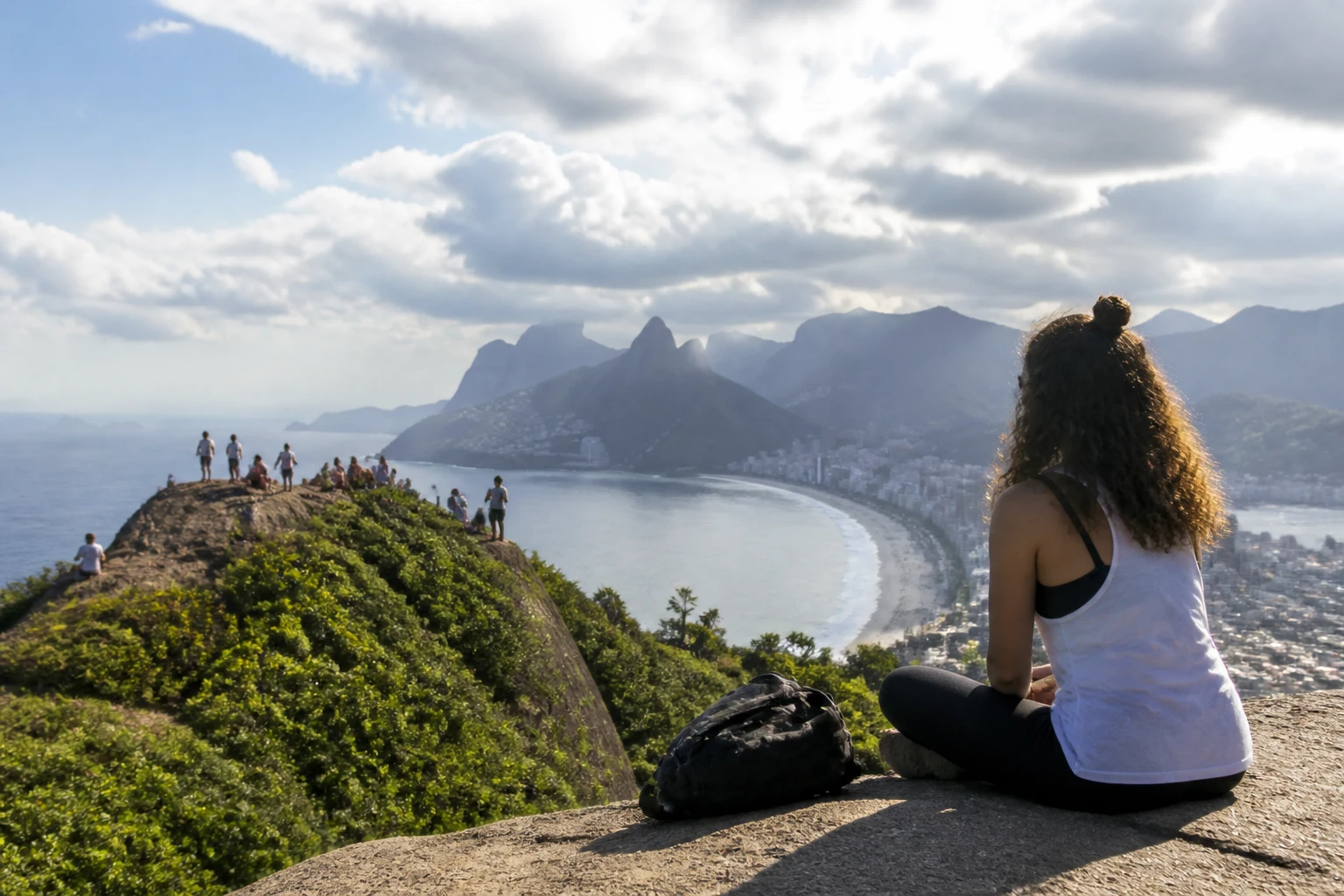
A useful rhythm is one major activity, one nearby flexible activity, and an optional evening plan. This structure limits wasted travel and makes the day easier to adjust. It also prevents a late start, long queue, or event-related delay from disrupting everything that follows.
Do not schedule a nonrefundable outdoor activity immediately after arrival. Flight delays, check-in logistics, and the need to understand a new neighborhood make the first day less predictable. A local meal and a short walk near your accommodation create a gentler introduction.
Choose a base that reduces unnecessary crossings
The best base depends on the activities you plan to repeat. Before booking, mark your top three priorities and the likely evening finish points. Then compare accommodation by practical access, not only by the view or room description. A short, familiar return route becomes especially valuable after a full sightseeing day.
Beach-focused travelers can use Ipanema or Copacabana: Which Beach Should You Base Yourself On to compare two popular coastal bases. Whichever area you choose, check the walking route to transit, the hotel’s cancellation conditions, and how your event or tour schedule fits the location.
| Trip priority | Base-selection approach | Winter planning adjustment |
|---|---|---|
| Major event | Favor a manageable route to the venue or its transport connection | Book around the fixed event before adding sightseeing |
| First visit | Choose access that supports several major priorities | Keep daily routes compact instead of chasing every landmark |
| Food and nightlife | Consider the late-evening return journey | Plan transport before going out |
| Accessible travel | Check the exact stations and routes you expect to use | Do not assume every station offers the same facilities |
| Beach time | Compare coastal bases against the rest of your itinerary | Keep an alternative activity ready for each beach period |

Full Day in Rio: Christ, Sugarloaf, Selarón & Barbecue Lunch
Experience a full-day tour of Rio de Janeiro, visiting all the city’s must-see attractions in a single day! See t...

Rio Maracana Stadium Football Match Ticket & Private Transport
***JOGA BONITO*** Step into the heart of Brazil’s passion with a once-in-a-lifetime experience: attending a live...

A Day in Rio Tour - City Tour with Tickets and Lunch Included
This tour was planned thinking about the tourist who wants to know the main sights of Rio de Janeiro with comfort, s...
Use Rio’s transit network strategically
MetrôRio operates three lines and connects with bus and train services. Its journey guidance identifies Line 1 and Line 2 transfer options at Central do Brasil/Centro and Botafogo, while the municipal transport system lists several bus-to-metro integrations. These connections can help visitors organize longer journeys without depending entirely on road transport.
Study the outbound and return routes before leaving accommodation. Save the destination name, station, and transfer point in a form you can view without standing on the pavement with your phone exposed. For an evening event, decide how you will return before joining a queue or entering a crowded venue.
The city currently uses the Jaé black card or a QR code for Bilhete Único Carioca integration. It publishes a R$5.00 BUM integration fare covering up to four trips within 20 hours. This is an integration product, not a universal single-ride price. Ticketing rules and fares can change, so check the current conditions before loading credit or planning a complex journey.
- Identify the station or stop closest to your destination.
- Check whether the journey requires a transfer or a bus connection.
- Review the return route, particularly for evening plans.
- Allow extra time on major event dates.
- Confirm the current fare and accepted payment method before travel.
Plan accessibility station by station
Accessible travel on the metro requires route-specific planning. MetrôRio publishes a defined list of accessible stations and reports using gap fillers to reduce the space between platforms and trains. The presence of these measures does not mean every station or transfer offers identical conditions.
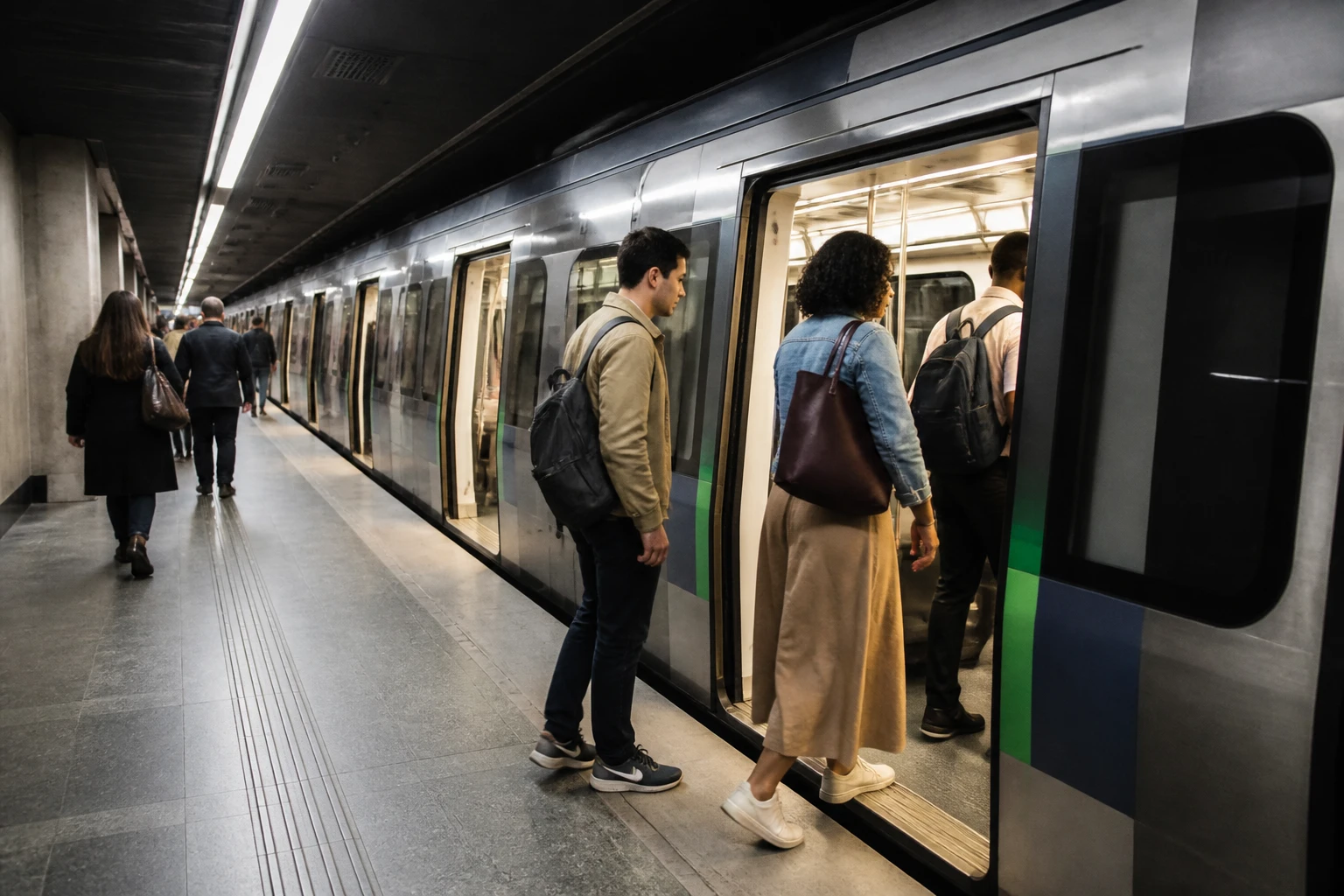
Check each station required for the complete journey, including transfer and return stations. A route that looks direct on a network diagram can still be unsuitable if one stop lacks the facilities a traveler needs. Keep an alternative route available and avoid leaving this check until the platform.
- Verify the accessibility listing for departure, transfer, and arrival stations.
- Check the street-level approach to the station and accommodation.
- Allow additional time for boarding and transfers.
- Save an alternative transport option for disruptions.
- Confirm assistance arrangements before a time-sensitive event or tour.
Balance headline sights with flexible neighborhood time
First-time visitors should select a short list of priorities rather than building a race across the city. Best Things to Do in Rio de Janeiro for First-Time Visitors can help define that list. Once the major choices are clear, group them into compact days and protect enough time for meals, transit, and unplanned stops.
Give major viewpoints a backup period
If a major city view is central to the trip, consult Sugarloaf Cable Car: When to Go, How It Works, and the View Most People Miss while shaping the day. Keep another suitable period open rather than forcing the visit into poor conditions. Confirm current ticketing and operating details before departure because attraction schedules can change.
Avoid stacking two distant, time-sensitive attractions on the same day. One delayed entry can turn the second booking into a stressful dash. Pair a fixed attraction with a flexible meal, walk, or neighborhood period nearby instead.
Still comparing Rio De Janeiro Winter Travel Planning?
Ask for tour ideas, hotel suggestions, or a simple trip plan that combines both.
Trip Helper
Use a clear route for central Rio
A structured route is particularly useful when exploring several urban sights in one outing. Selarón Steps and a Centro Walk That Actually Makes Sense provides a focused subject for this type of day. Start with a defined route, avoid adding distant detours, and set a clear finish point before continuing into the evening.
Let meals anchor the flexible parts of the day
Meals can bridge the gap between a fixed morning reservation and an evening plan. Eating in Rio: Feijoada, Kiosks and the Best Botecos by Neighborhood helps organize food choices geographically. Choosing a meal near the next activity reduces transit and creates a natural pause when the day becomes crowded or tiring.
Handle winter events and nightlife without losing a day
Rio’s 2026 winter forecast is driven partly by a calendar of major music, food, and seasonal events. This makes evening culture a central part of many winter trips, but it also means that an event day should be designed differently from a standard sightseeing day.
Keep the morning light, eat before the busiest part of the journey, and leave a generous transportation buffer. The following morning should also remain flexible. A late finish paired with an early nonrefundable tour is an avoidable planning trap.
Travelers interested in music can use Samba Nights in Lapa: A Local-Style Guide to Rio After Dark to plan a focused evening rather than improvising after arrival. Decide on transportation, meeting points, and the return plan while everyone in the group is still together and attentive.
- Confirm the venue, entry conditions, and ticket details.
- Choose a meeting point that does not depend on mobile service.
- Plan the outbound and return journeys separately.
- Carry only the valuables needed for the evening.
- Keep drinks in sight and do not accept opened drinks from strangers.
- Leave the next morning flexible after a late finish.
Use calm, practical safety habits
The U.S. State Department currently rates Brazil Level 2, Exercise Increased Caution. Its advisory says assaults, including incidents involving drink spiking, are common, especially in Rio de Janeiro. This calls for preparation rather than panic: limit visible valuables, monitor drinks, plan nighttime transportation, and stay attentive when using a phone in public.

Rio Safety Tips: Practical, Current Advice Without the Scare Stories offers a broader framework for daily decisions. The most useful habits are simple and consistent. Carry only what you need, separate backup funds from your main wallet, avoid displaying expensive items, and step into a controlled indoor space before checking directions.
- Keep bags closed and positioned where you can see them.
- Do not leave a phone or wallet unattended at a table.
- Watch drinks from the moment they are served.
- Use a preplanned return route after events and nightlife.
- Share the evening plan with companions before separating.
- Review current government travel advice before departure.
If a situation feels disorganized, crowded, or difficult to read, pause and change the plan. Missing one stop or leaving an event early is better than continuing while distracted. Good safety decisions often look ordinary: moving indoors to check a route, waiting for the group, or choosing a simpler journey.

Christ the Redeemer & Sugarloaf: Rio City Tour with Lunch
Discover Rio de Janeiro’s top attractions on a guided small-group tour. Visit Christ the Redeemer and Sugarloaf Mo...

Rio's Cookin' Good: 9-Dish & Caipis Fiesta + Optional Market Tour
Wander into our Ipanema hideout and let the culinary capers begin. Whether you're a kitchen newbie or a seasoned fo...

Explore the Best of Tijuca Forest – Hike to Peaks, Caves & Falls
This tour is all about experiencing the best of Rio - hiking to stunning peaks, exploring hidden caves, and cooling...
Set a winter budget with room for demand
Do not build the budget on the assumption that winter equals low season. Rio’s event-heavy calendar can increase demand, and the 2026 visitor forecast reinforces the need to compare total costs. Accommodation location, cancellation terms, event tickets, attraction reservations, meals, and late transportation all matter more than a single headline rate.
| Budget category | What to compare | Common planning mistake |
|---|---|---|
| Accommodation | Total stay, location, taxes, and cancellation terms | Choosing a distant room based only on the nightly rate |
| Transport | Likely daily routes and current payment rules | Treating an integration fare as the price for every journey |
| Events | Ticket terms and transportation in both directions | Budgeting for entry but not the return journey |
| Attractions | Date-specific ticket conditions | Booking every major activity into one inflexible day |
| Food | Meals near planned activities | Crossing the city for every restaurant choice |
| Contingency | Flexible funds for changed plans | Leaving no room for weather or event disruption |
The city currently publishes a R$5.00 fare for the BUM integration, with up to four trips over 20 hours, but that figure should not be applied to every transit journey. Confirm which ticket or integration fits the route before treating it as a daily transport budget.
Reserve the least flexible elements first. These usually include accommodation for fixed event dates and any activity with a specific entry time. Leave ordinary meals and neighborhood walks open unless a particular reservation is central to the trip.
A flexible three-day winter itinerary
- Day one: Settle into your base and learn the immediate area. Choose one nearby meal and a short walk. Review transit routes and current ticketing before the first full sightseeing day.
- Day two: Give the best available conditions to your highest-priority viewpoint or outdoor attraction. Add one nearby flexible activity and keep the evening open for dinner or an event.
- Day three: Follow a structured urban route, such as a Centro and Selarón Steps outing. Finish at a defined point, then return to your base or continue to a preplanned nightlife activity.
For a longer stay, add days rather than crowding these three. A dedicated beach period, a food-focused neighborhood day, or another major attraction will feel more satisfying when it has room to breathe. Extra time also gives an important outdoor plan a second chance if conditions are unsuitable.
If attending a major event, treat it as the day’s main activity. Keep that morning simple and the following morning adjustable. This protects the event experience while reducing the temptation to rush across Rio on a high-demand date.
Pack for adaptable city days
- Light layers that can be added or removed during the day
- A compact rain shell or small umbrella
- Comfortable shoes suitable for pavement and longer walks
- Sun protection for exposed outdoor periods
- A small secure day bag with reliable closures
- A portable battery and offline copies of essential booking details
Pack around your confirmed activities rather than an imagined version of the season. A city-and-beach itinerary needs different footwear and clothing from a trip centered on events or hiking. Review the short-range forecast before departure, then adjust the final selection without overpacking.
Keep essential medication, identification, and one change of clothes in your cabin bag. Store booking details offline in case mobile data is slow at an event or transit connection. Avoid carrying every card, document, and device during ordinary sightseeing.
The best winter plan leaves room to pivot
Rio in winter suits travelers who want major sights alongside an active cultural calendar. Its main limitation is that events can work against the idea of a cheap, uncrowded off-season. Book fixed dates carefully, organize each day by area, and keep outdoor periods flexible.
Before departure, complete three checks: review the current event calendar, confirm the transit and accessibility details for your essential routes, and read updated safety advice. With those foundations in place, the schedule can stay open enough for Rio’s viewpoints, food, music, and coastal setting to shape the trip.
Frequently asked questions
Is winter a low season in Rio de Janeiro?
No, winter should not automatically be treated as a low season in Rio. Riotur expects 2.8 million tourists between July and September 2026, with major events helping drive demand. Crowds and prices depend on the dates, so check the event calendar before booking.
Should I book accommodation early for a winter trip to Rio?
Yes, book early when your visit overlaps with a major event or fixed travel dates. Compare the total stay, cancellation terms, and transport access rather than choosing solely by nightly price. Event-heavy periods are less likely to behave like a low-demand season.
Can visitors use the metro to get around Rio?
Yes, MetrôRio operates three lines and integrates with bus and train services. Line 1 and Line 2 transfers can be made at Central do Brasil/Centro and Botafogo. Check the exact route and return journey before leaving, especially on an event day.
How does Rio’s integrated transit ticket work?
The city currently uses the Jaé black card or QR code for Bilhete Único Carioca integration. The published R$5.00 BUM integration fare covers up to four trips within 20 hours, but it is not a universal single-ride fare. Check current rules before travel.
Is the Rio metro accessible?
Some stations are specifically listed as accessible, so travelers should check the complete route station by station. MetrôRio also reports using gap fillers to reduce the platform-to-train gap. Do not assume every station and transfer offers identical facilities.
Is Rio de Janeiro safe for winter visitors?
Rio requires practical caution throughout the year. The U.S. State Department rates Brazil Level 2, Exercise Increased Caution, and warns about assaults and drink spiking, especially in Rio. Keep valuables controlled, monitor drinks, and plan nighttime transportation before going out.
What should I pack for Rio in winter?
Pack light layers, comfortable walking shoes, sun protection, and a compact rain layer. Check the short-range forecast before departure and adjust for your confirmed activities, particularly if your itinerary includes beaches, viewpoints, events, or hiking.
Best of Rio in One Day: Christ Redeemer, Sugarloaf & Local Lunch
Discover the best of Rio de Janeiro in just one day with a complete, well-organized itinerary designed to provide comfort from start to finish. Visit...
Rio's Full Day: Selarón Steps, Christ & Sugarloaf – Tickets & Lunch Included
Discover the best of Rio de Janeiro in a full-day tour that combines convenience, comfort, and expert guidance. This...
Private Rio Tour: Christ the Redeemer & Sugar Loaf Essentials
Enjoy a personalized visit to Rio de Janeiro’s essentials with a private guide and driver. The tour covers key hig...
