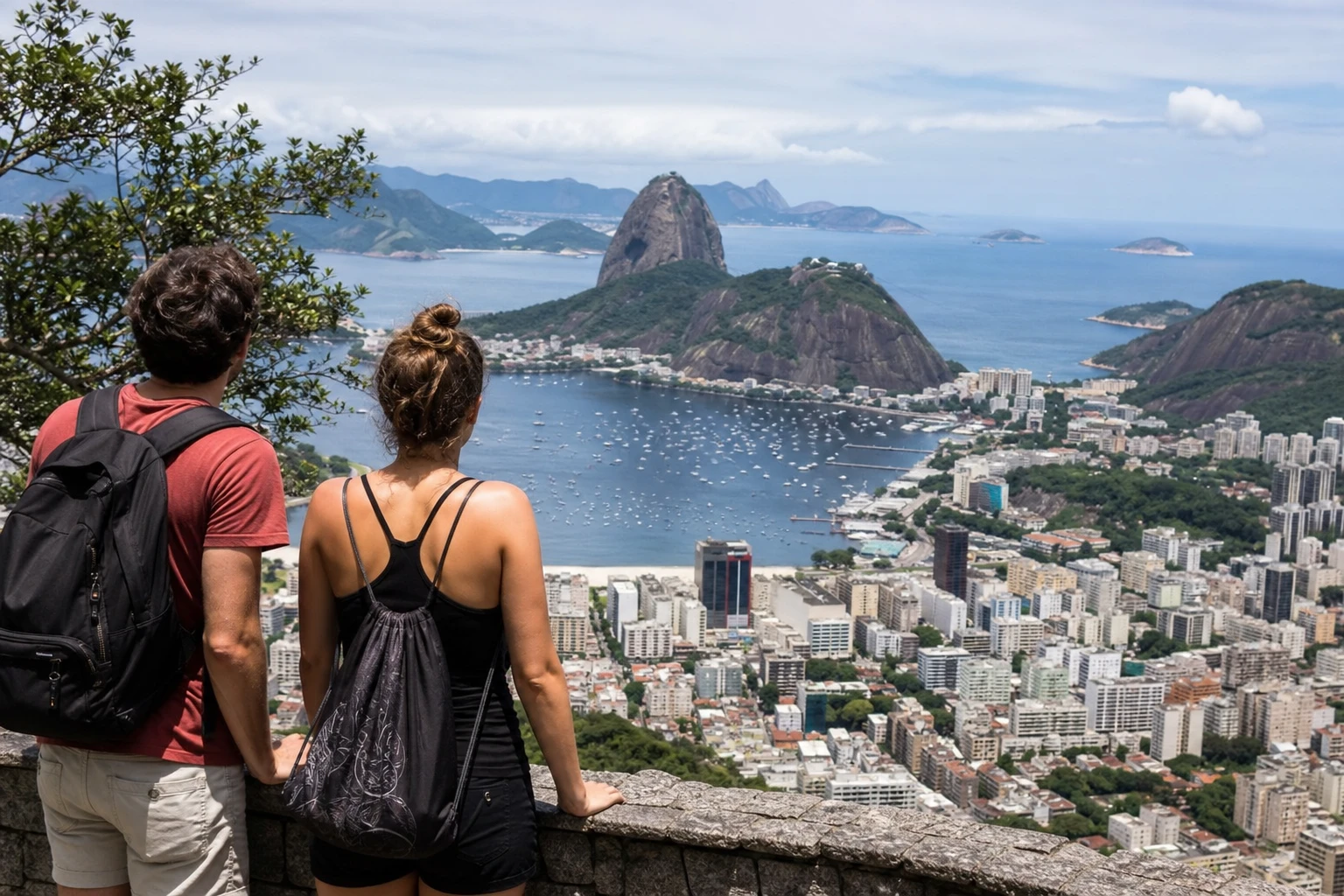
A successful Rio de Janeiro budget begins with priorities, not a rigid daily figure. Decide which experiences matter most, choose a practical base, and protect enough money for transport, meals, and unexpected changes. This approach leaves room for a memorable paid attraction while preventing small purchases from quietly consuming the trip fund. The goal is not to spend as little as possible. It is to direct your money toward the parts of Rio you most want to experience.
- Set separate spending limits for accommodation, transport, food, sightseeing, and emergencies.
- Choose accommodation by total trip cost, including the transport required by its location.
- Build most days around one geographic area to reduce unnecessary journeys.
- Reserve paid experiences for a short priority list instead of booking every popular option.
- Track spending each evening and adjust the next day before the budget slips.
Set the trip budget before choosing the itinerary
Begin with the amount you can comfortably spend after reaching Rio. Subtract accommodation and any prebooked transport first. Divide the remainder among food, local movement, attractions, nightlife, and a contingency fund. This produces a working daily range, but it should not become a rule that forces every day to cost the same. A low-spend walking day can balance a more expensive sightseeing day.

3 Hour Rocinha Favela Walking Tour with a Local Guide
Visiting the Rocinha favela, one of Rio's hundreds of "favelas" (the Brazilian term for a slum or shantytown) and the largest in the country, is a loc...

Two brothers (Dois Irmãos) Hike
Our tours are beyond the average tours within Rio. With Experience Rio you will feel like a local. Visit the lesser...

Corcovado Express: Morning Tour in Rio de Janeiro
Be one of the first visitors to reach the Christ the Redeemer statue, the most famous landmark in Rio de Janeiro, on...
Keep the contingency fund separate from ordinary spending. Use it for genuine disruptions, such as changing a journey, replacing an essential item, or getting back to your accommodation when the original plan no longer works. If the money remains untouched near the end of the trip, it can fund a final meal or another planned experience without creating financial stress.
| Budget category | Question to answer | Planning method |
|---|---|---|
| Accommodation | What is the full stay likely to cost? | Compare the final total, cancellation conditions, location, and included essentials. |
| Local transport | How many journeys does the itinerary require? | Group nearby activities and estimate each necessary transfer. |
| Food and drink | Which meals matter most? | Set a routine allowance, then reserve extra for selected meals. |
| Sightseeing | Which paid experiences are priorities? | Rank them before booking and leave lower priorities optional. |
| Contingency | What could disrupt the plan? | Keep a separate reserve that is not treated as daily spending money. |
Choose a base that lowers the total cost
The cheapest room is not automatically the most economical choice. Mark your priority sights and planned evening activities before comparing accommodation. A room that requires repeated long or inconvenient journeys can consume both money and usable vacation time. Compare the complete stay rather than focusing only on the first nightly rate displayed.
Also check what the booking actually includes. A place with suitable cooking facilities, breakfast, luggage storage, or flexible cancellation can support a budget in ways that a bare room cannot. Only count a feature after confirming it in the selected rate. Property facilities and booking conditions can differ even within the same accommodation.
Travelers considering two well-known beach bases can use the Ipanema or Copacabana beach-base comparison to think through location and trip style. Make the final decision using your own itinerary, the complete accommodation price, and the journeys you expect to make. A good base is the one that simplifies your actual plan, not the one with the lowest headline price.
Treat transport as part of the itinerary
Transport spending grows when a day zigzags between unrelated areas. Plan one main zone at a time and place nearby activities together. Before leaving, identify the route to the first stop, the route back, and a backup option. Compare the transport choices available for that journey on your travel date, accounting for the number of passengers, travel time, and any walking involved.

Do not judge a route by fare alone. A cheaper option that creates a missed reservation or leaves little time at a priority attraction offers poor value. Conversely, paying for convenience on every short journey can drain the budget. Spend more deliberately when carrying luggage, returning late, dealing with difficult weather, or keeping a fixed booking.
Save the destination and accommodation details offline, along with the information needed for the return journey. Check current service conditions before setting out, especially when the day includes a timed entry or onward connection. This small preparation reduces hurried decisions, which are often the expensive ones.
Build the itinerary around low-spend days
Create two sightseeing lists. The first should contain experiences that require payment or advance planning. The second should contain flexible ideas such as neighborhood walks, beach time, public spaces, or viewpoints whose current access conditions you have checked. Alternate between the lists instead of stacking the most expensive plans into consecutive days.
The guide to the best things to do in Rio de Janeiro for first-time visitors can help identify possible priorities. Shortlist the experiences that genuinely fit your interests, then remove anything selected only because it appears on a standard checklist. Skipping a low-priority attraction creates time and money for the places that drew you to Rio in the first place.
A flexible day is useful after a costly or tightly scheduled one. It can absorb weather changes, tiredness, or an attraction moved from an earlier day. Keep several alternatives ready rather than locking every hour into a reservation. Flexibility protects the budget because you are less likely to pay twice when plans change.

Two of Rio's Best: Christ the Redeemer & Sugarloaf Mountain Half-Day Tour
See two of Rio’s most famous landmarks in one half-day tour. Begin with a cable car ride to Sugarloaf Mountain for...

Jeep Adventure: Guided Tour through Tijuca Rain Forest
Hop in an open Jeep for a morning tour of the Tijuca Forest in Rio de Janeiro, also known as Tijuca National Park. T...

Food Tour Rio de Janeiro - The Best Typical Brazilian Dishes
Discover Brazil through its flavors, history, and rhythm on this immersive food tour in Rio de Janeiro. Explore the...
Choose paid attractions with purpose
Choose one or two signature experiences first, then evaluate everything else against them. For each paid attraction, compare the complete cost, expected time commitment, cancellation terms, transport requirements, and what the ticket includes. A tour can offer useful convenience, but that convenience should solve a real planning problem rather than duplicate something you could comfortably organize yourself.
If the Sugarloaf Cable Car is on your shortlist, use the detailed Sugarloaf Cable Car guide to understand the visitor process and plan the outing. Check current ticket options and conditions before purchase. Avoid assuming that the cheapest displayed option contains every feature you want, or that a higher-priced package automatically adds value for your itinerary.
Leave lower-priority bookings until the trip structure is clear. This prevents reservations from dictating inefficient journeys across the city. When comparing a guided option with an independent visit, include transport, booking fees, included entry, cancellation flexibility, and the value of your time. The cheapest-looking choice can change once those elements are considered together.
Control food spending without making every meal a compromise
Set a simple food rhythm instead of choosing every meal spontaneously. Decide which meal will be the main event, then keep the others straightforward. Check menus and listed charges before ordering, and confirm what is included when an accommodation advertises breakfast or cooking facilities. A reusable water bottle can also help where safe refilling is available.

For planning ideas, the guide to feijoada, kiosks, and botecos by neighborhood can help you think about the kinds of meals you want to prioritize. Use it to create a short list rather than a compulsory dining schedule. Choosing a few meaningful food experiences usually works better than chasing a famous recommendation at every meal.
Keep a separate allowance for drinks, snacks, and late-night food. These purchases are easy to overlook because each one feels small. Recording them as their own category reveals whether the food budget is supporting meals you value or disappearing between them. If one day runs high, simplify the next breakfast or lunch rather than abandoning the entire plan.
Use self-guided walks strategically
A self-guided walk can combine sightseeing with the ordinary texture of a city, but it still needs planning. Choose a clear start and finish, keep the route compact, and identify how you will leave the area. Check current access conditions, weather, and local safety advice before departure. Carry only what you need and avoid turning the walk into an exhausting attempt to cover too much ground.
The Selarón Steps and Centro walk plan offers one possible subject for a structured sightseeing day. Use the route as a starting point, then adapt it to your pace and interests. A compact walk is most useful when you allow time to stop, look around, and take breaks rather than racing between photo locations.
Walking should save money only when it remains sensible. Heat, rain, fatigue, luggage, difficult terrain, or the time of day can change the calculation. Keep enough transport money available to change plans. Budget travel works best when thrift does not override comfort, timing, or personal safety.
Still comparing Rio De Janeiro Budget Travel Guide?
Ask for tour ideas, hotel suggestions, or a simple trip plan that combines both.
Trip Helper
Protect the budget with sensible safety habits
A lost phone, bank card, or passport can become one of the trip's largest unplanned expenses. Carry only the cash and cards needed for the day. Keep backups separate, secure important account access, and avoid displaying valuables unnecessarily. Review the practical Rio safety tips before finalizing plans for unfamiliar areas or late returns.
Make deliberate transport decisions after dark rather than improvising when tired. Share relevant plans with a companion, accommodation host, or trusted contact. If a situation feels wrong, leave without worrying about preserving a small fare or deposit. The contingency fund exists to support a safer decision when the original plan stops making sense.
Protect payment methods as carefully as physical belongings. Check a charge before approving it, keep purchase records when useful, and monitor account activity during the trip. Store copies of essential documents securely, but not in the same bag as the originals. These habits are inexpensive and reduce the consequences of an avoidable problem.
Use a flexible itinerary template
A budget itinerary needs rhythm more than a long list of attractions. Start with an easy arrival period, add a low-spend orientation day, and place the highest-priority paid experience after you have settled in. Follow it with a flexible day that can absorb changes. Repeat that pattern on longer visits, keeping the final day lighter if departure arrangements are fixed.
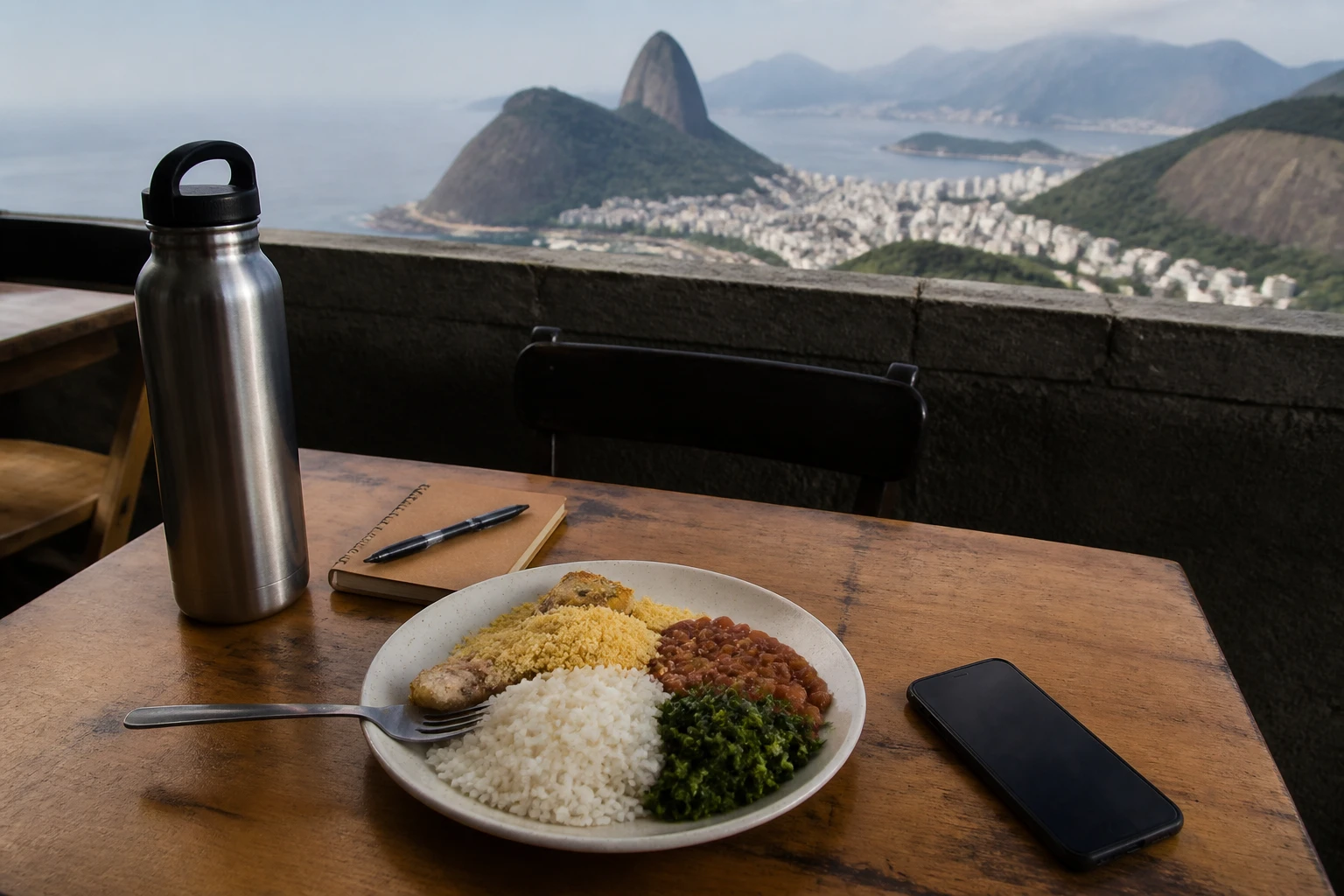
- Arrival period: reach the accommodation, obtain essentials, and avoid committing to a complicated sightseeing plan.
- Orientation day: explore one compact area and test the practical journey back to your base.
- Priority day: schedule one important paid attraction or organized experience.
- Flexible day: choose a walk, beach visit, public space, or another option after checking current conditions.
- Buffer period: leave room near departure for packing, transport, and anything postponed earlier.
For a short visit, use only the stages that fit. Do not compress a longer checklist into fewer days simply to claim that everything was covered. For a longer stay, add rest periods and repeat low-spend days between major bookings. Slower planning can reduce transport costs while giving each area more attention.
Book the expensive parts in the right order
Start with the commitments that shape the rest of the trip: travel dates, accommodation, and any experience you would be genuinely disappointed to miss. Review cancellation terms before paying. Flexible conditions can be worth considering when plans are still developing, but compare the full price rather than assuming flexibility is free.
Next, map the necessary journeys and reserve only those that benefit from advance organization. Leave ordinary meals and flexible sightseeing open unless there is a specific reason to book. This order protects spontaneity without gambling the entire trip on last-minute availability.
Take screenshots or save confirmations offline, then note payment deadlines and cancellation cutoffs in one place. Review each booking for the correct date, number of travelers, meeting point, and inclusions. Prices and terms can vary by date and option, so use the final checkout details rather than an earlier advertisement when updating the budget.

Full Day in Rio: Christ by Train, Sugarloaf, Selarón & Barbecue
Discover the best of Rio de Janeiro in a single day! Begin with a scenic train ride up Corcovado Mountain to visit C...

Best of Rio in One Day: Christ Redeemer, Sugarloaf & Local Lunch
Discover the best of Rio de Janeiro in just one day with a complete, well-organized itinerary designed to provide co...

Rio's Cookin' Good: 9-Dish & Caipis Fiesta + Optional Market Tour
Wander into our Ipanema hideout and let the culinary capers begin. Whether you're a kitchen newbie or a seasoned fo...
Track spending without letting it dominate the trip
A two-minute evening check is usually enough. Record the day's total under broad categories, compare it with the remaining trip fund, and decide whether tomorrow needs an adjustment. Do not spend vacation time documenting every minor detail unless that method helps you. The purpose is to spot drift early, not to create a perfect accounting system.
Use separate mental or digital pots for essentials and optional purchases. Accommodation, required transport, and basic meals should remain protected. Souvenirs, extra drinks, upgrades, and spontaneous tours can come from the optional amount. When that pot is empty, pause discretionary spending rather than borrowing from departure or emergency funds.
Evaluate value as well as cost. A paid experience that becomes a trip highlight can be better value than several forgettable purchases. At the same time, a free afternoon that suits your interests does not need an upgrade to feel complete. Good budgeting creates permission to spend on priorities and confidence to skip the rest.
A practical budget strategy for Rio
Rio de Janeiro on a budget suits travelers willing to plan around a few clear priorities. Its main limitation is that a low-cost trip leaves less room for inefficient routes, repeated booking changes, and impulse upgrades. Choose the base carefully, alternate paid experiences with flexible days, and preserve a contingency fund. Once those foundations are secure, the budget becomes a tool for enjoying the trip rather than a restriction that controls it.
Frequently asked questions
Can Rio de Janeiro be visited on a budget?
Yes, Rio can be approached with a controlled budget by limiting paid priorities, choosing accommodation around the itinerary, grouping nearby activities, and tracking optional spending. Set the plan using current prices for your dates rather than relying on a universal daily figure.
How much money should I budget per day in Rio de Janeiro?
Build a personal daily range after pricing accommodation, necessary transport, meals, and priority attractions for your dates. Add a separate contingency fund, then use low-spend days to balance more expensive sightseeing days.
What is the cheapest area to stay in Rio de Janeiro?
No single area is the cheapest for every itinerary. Compare the final accommodation total with the cost and time required to reach your priority locations, and check exactly what the selected rate includes.
Do I need to book every Rio attraction in advance?
No, book only the experiences that shape the itinerary or that you would be disappointed to miss. Keep flexible sightseeing open where practical, and check current access requirements before visiting.
How can I save money on food in Rio?
Choose one priority meal, keep the other meals simple, and maintain a separate allowance for drinks and snacks. Review menus and listed charges before ordering, and confirm any meal or kitchen facilities included with accommodation.
What is the easiest way to avoid overspending in Rio?
Check the remaining trip fund briefly each evening and adjust the next day before a small overrun becomes a pattern. Keep essential, optional, and emergency money in separate categories.
3 Hour Rocinha Favela Walking Tour with a Local Guide
Visiting the Rocinha favela, one of Rio's hundreds of "favelas" (the Brazilian term for a slum or shantytown) and the largest in the country, is a loc...

The Best Half Day in Rio with Christ Redeemer and Sugar Loaf Hill
Enjoy a small-group tour to visit the most iconics landmarks in Rio de Janeiro. First visit the Christ the Redeemer...

Rio Autumn Lapa & Centro Street Food & Spirits Walk
Historic Centro to Bohemian Lapa: Connects 100-year-old historic botecos with the vibrant street culture, street art...